
📋 TL;DR
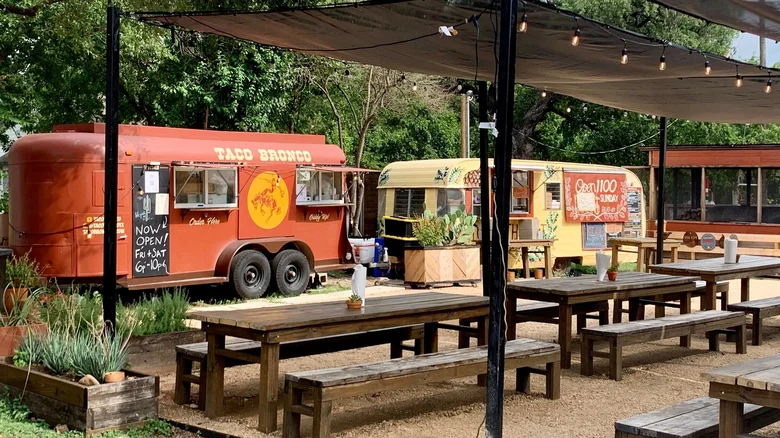
You're ready to add a second truck when: (1) You're turning down events and catering gigs because you're full; that's revenue walking away. (2) Your wait times regularly hit 20 to 30+ minutes at peak and you're losing customers. (3) Your first truck has been consistently profitable for 6 to 12+ months and you have a financial cushion. (4) You have a solid second in command who can run a truck without you. (5) Customers and event organizers are asking for you in new neighborhoods or areas; the demand is there, you just need the wheels.
1. You're Turning Down Events and Catering Gigs
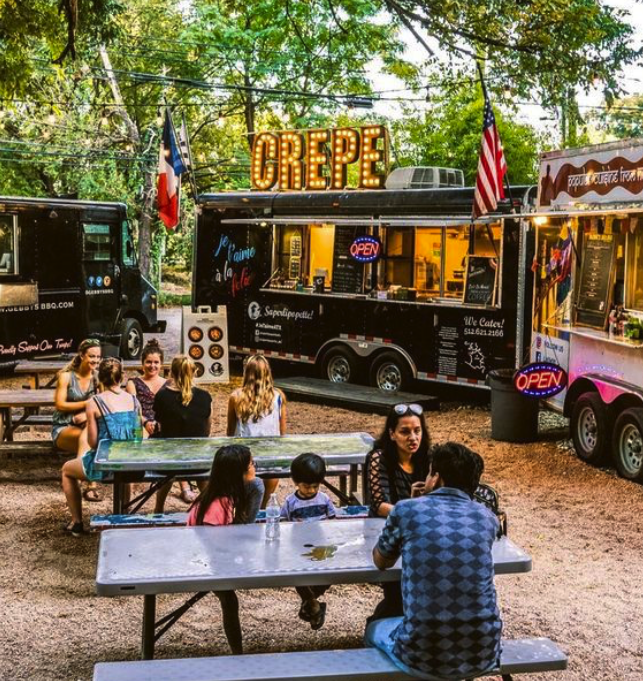
If you're consistently saying no to bookings because your schedule is full, that's revenue walking away. A second truck lets you be in two places at once (one at the corporate lunch, one at the festival) without burning out or turning down money.
The moment "we're fully booked" becomes your default answer, it's worth asking: could a second unit capture that demand instead of leaving it for someone else?
2. Your Wait Times Are Getting Too Long
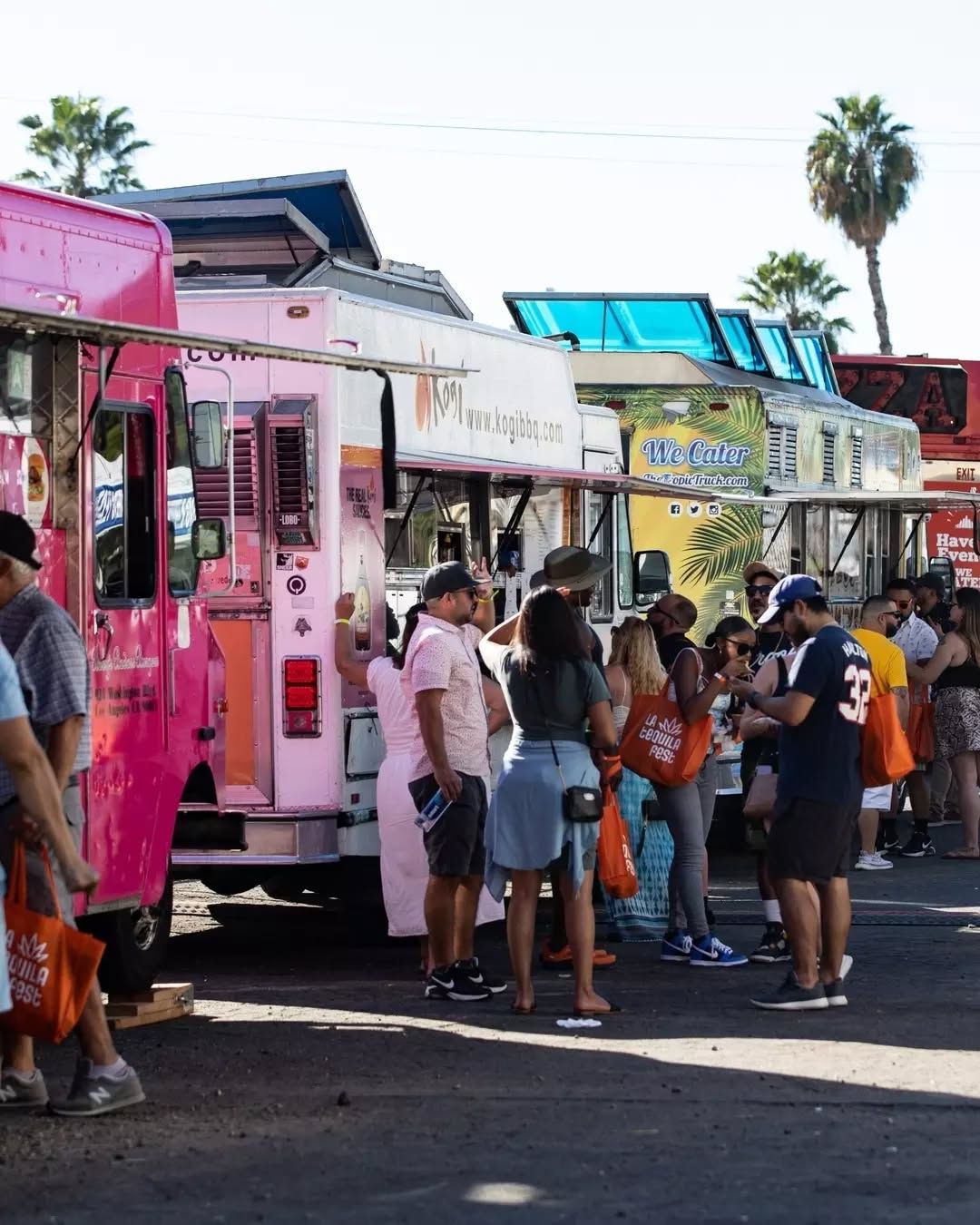
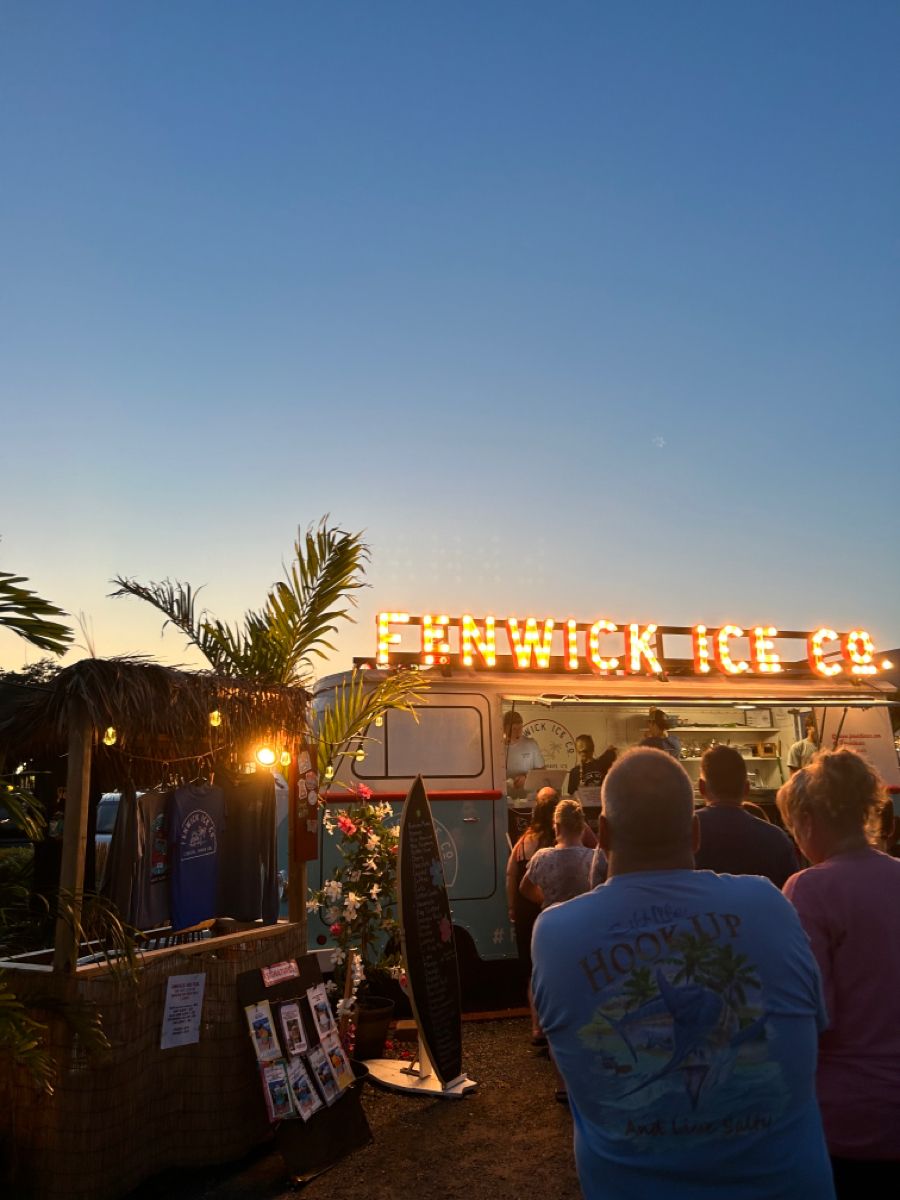
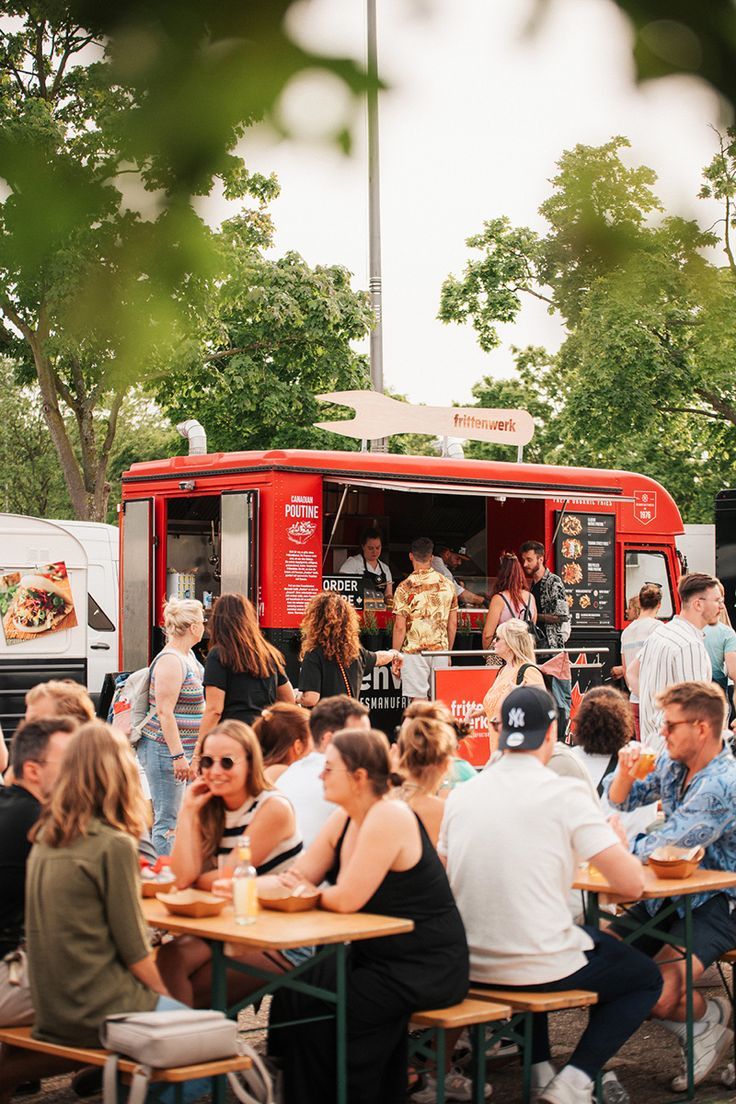
When the line at your truck regularly stretches past 20 to 30 minutes during peak hours, you're losing customers. Some will leave; others won't come back. A second unit can help you cover more ground or split high-traffic locations so lines stay manageable and service stays fast.
Long lines are a sign of demand, but only if you can serve it. Otherwise they're a sign you're leaving money and loyalty on the table.
3. You've Got a Consistent, Reliable Revenue Stream
If your first truck has been consistently profitable for 6 to 12+ months and you've got a financial cushion, that's a strong foundation to scale from. Expansion is risky when you're barely breaking even; it makes sense when you have proof the model works and reserves to absorb the learning curve of a second truck.
Use that stability to invest in a second unit, not to coast. The goal is to compound what's already working.
4. You've Built a Team You Trust
Expanding only works if you have crew members who can run a truck without you standing over them. If you've already got a solid second in command, someone who knows the menu, the standards, and the customers, that's a green light. A second truck needs a leader you trust, not just an extra body.
No team, no scale. Build the people first; then add the wheels.
5. Customers Are Asking for You in New Areas
When regulars start tagging you on social saying "come to [neighborhood]" or event organizers in new parts of Austin (or your city) are reaching out, the demand is there: you just need the wheels to meet it. A second truck lets you test new zones without abandoning your home base.
If you're seeing these five signs, the question isn't whether to scale; it's how to do it without losing what made the first truck work. Keep your systems tight, your brand consistent, and your team empowered. Then add truck number two and go.
Run both trucks from one place. Own your orders, your brand, and your margins.
Start FreeNo monthly fees. $1 per order. Cancel anytime.