
TL;DR
- Own the relationship. Direct ordering saves fee stacks, captures phone and email, and makes repeat orders predictable. Apps help strangers find you; your link should close the sale with regulars.
- Know your net. Model commission, promos, and small order fees on your real ticket size. If you do not know what you net per marketplace order, you cannot price or market honestly.
- Design for thumbs. Short paths, obvious modifiers, and a cart that stays visible beat pretty menus that take twelve taps.
- Confirm the way people live. SMS for speed on pickup day, email when you want rich receipts and longer stories. Use both with clear consent.
- Upsell like a human. Suggest complements, defaults, and bundles that speed the line, not ten popups that feel like a casino.
Why direct ordering wins for food trucks specifically
Food trucks are not mini restaurants with a permanent sign and a thousand square feet of dining room. You move, you compress service into rushes, and your best customers often meet you in the same rotation of offices, breweries, and lots. In that world, repeat behavior matters more than raw discovery, and repeat behavior is exactly what third-party marketplaces weaken.
When someone orders through an app, the platform owns the relationship. They see the history, push competitors, sell ads above your logo, and take a fee every time the same person orders again. When someone orders on your link, you see the basket, the time window, and the contact info (with proper consent). That is how you fill slow Tuesdays, pre-sell a special, or text "running fifteen late" without hoping the algorithm delivers the message.
Direct ordering also matches how trucks operate: tight pickup windows, limited holding capacity, and menus that change with weather. You can throttle items, turn off delivery when the line is wild, or route people to a second location when you run a double truck day. Try doing that cleanly when a middleman sets customer expectations.
High skim on the ticket. Limited remarketing. Promo fund pressure. Brand sits next to competitors.
Lower per-order cost. Owned list growth. Pickup rules you control. Upsells that fit your actual line speed.
Industry studies routinely show high abandonment once shoppers hit unexpected steps or fees. Trucks feel that pain faster because every lost ticket is a person who might leave the line in real life too.
There is still a role for marketplaces. Use them when you want incremental demand and you have capacity to absorb the fee. Treat that demand like an acquisition cost. Your job is to convert a healthy slice of those people into direct buyers over time with great food, fast window service, and a link that is genuinely easier on the second visit.
The real math on marketplace fees
If you only look at the headline commission, you are understating the damage. Many agreements stack marketing promotions, delivery subsidies, subscription perks, and "small basket" charges that customers do not model when they complain about prices. Your job is not to win an argument on Twitter. It is to know, to the dollar, what you keep on a $14 taco combo versus an $18 bowl plus drink.
Walk through a simple scenario. Assume a blended take rate near 25 percent on a third party order, then add a few percentage points for the stuff that does not show up in the pretty brochure. On an $18 ticket, that is roughly four dollars and fifty cents gone before food cost, labor, gas, and commissary time. Do that two hundred times a week and you are talking real salary money, not coffee change.
Net visualizer (example $18 basket)
Rounded illustration; plug in your own statements.
Once you see the spread, decisions get easier: which items you push on apps versus your site, when you offer a small "order direct" perk, and how aggressive you can be with catering quotes. Margin is not greed. It is oxygen.
Watch for promotions that look like a win on the dashboard but quietly shave your ticket. If you are funding discounts out of your own line item, bake that into the model. Separate marketing spend from structural take rate so you are not fooled by a pretty gross number that falls apart after the campaign ends.
When you talk to your accountant or bookkeeper, ask them to tag marketplace orders separately from direct. Twelve months of clean tags beats one heroic spreadsheet you rebuild every time taxes come due.
How to structure your menu for online ordering
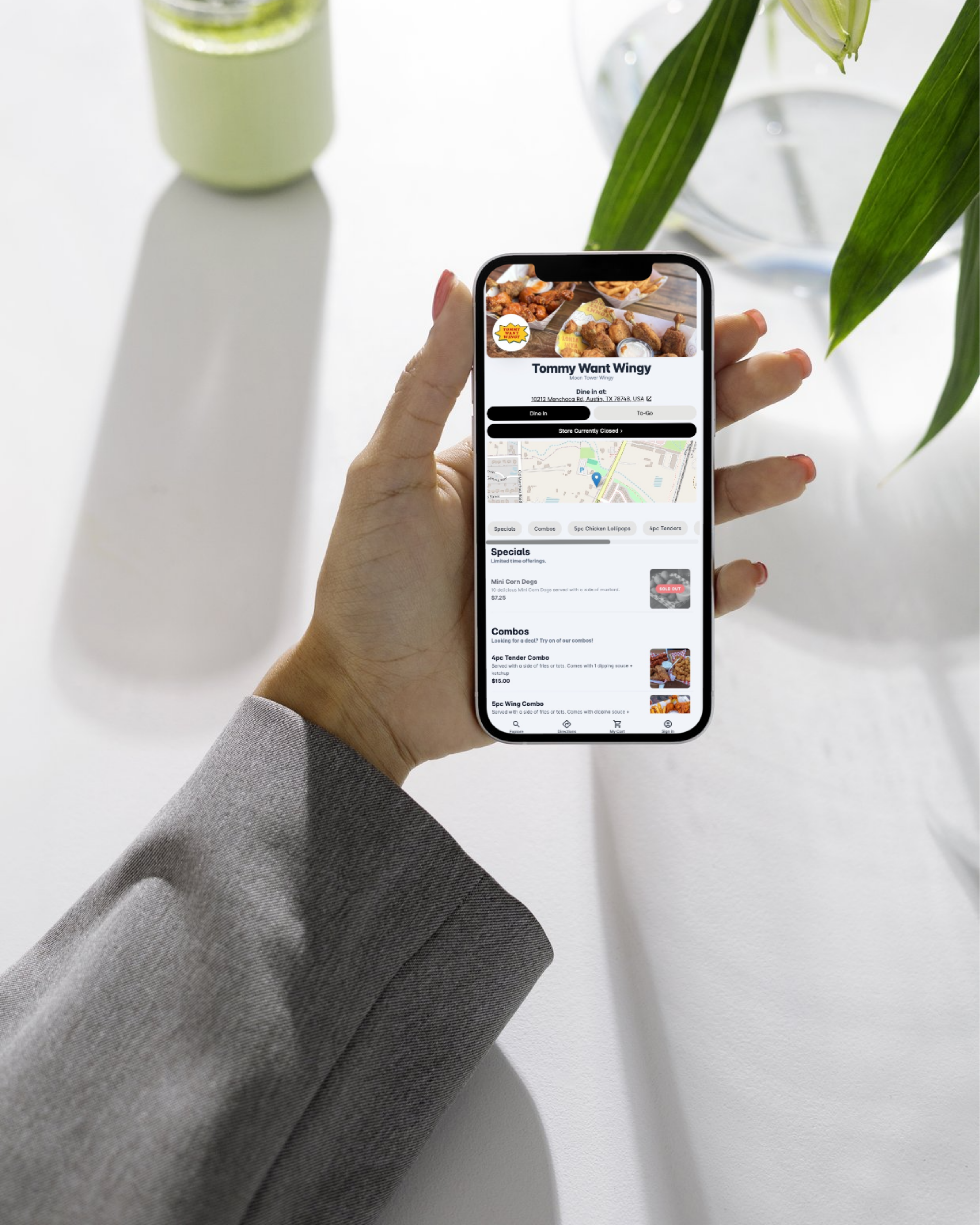
Your brick-and-mortar menu board can be expressive. Your online menu should be ruthlessly scannable. That means tight categories, one clear star per section, and modifiers grouped so thumbs do not wander. If a first-time customer needs a decoder ring to build a bowl, they bounce.
Start with the "three tap" test for your top seller: from landing on the item to ready for checkout in three meaningful choices or fewer, not three screens of micro decisions. Put the most common path as defaults. Show realistic photos on the items people hesitate on. Keep LTOs in their own block so they do not scramble your regulars.
Bundle for speed, not confusion. "Lunch combo" with an honest drink upsell beats a dozen à la carte boxes when the lunch crowd has twelve minutes. Name bundles after how people talk: "Office Lunch," "Post-Workout," "Kids Split." The words are free and they raise completion rates.
Keep eighty-sixed items honest. Nothing destroys trust faster than paying for something the truck already ran out of. If your ordering system can flip items off in real time, train whoever runs expo to own that toggle. If you cannot automate it yet, post a tight routine: whoever sees the gap updates the link before the next wave of orders lands.
Allergens and heat levels deserve plain language. "Hot" means different things to different towns. Short notes beat foodie poetry when someone is ordering during a two minute walk from their office.

Checkout friction that silently kills conversion
This is the graveyard of good food. Someone wanted your sandwich. Then the flow asked them to create an account, buried the pickup time behind an address field, or revealed a service fee at the last step. They did not argue. They closed the tab.
For trucks, clarify pickup location and time before you ask for payment when possible. If the window moves, message fast. Surprise is not a growth strategy.
Treat checkout like part of the line experience. Smooth digital flow trains customers to trust your window when the rush hits.
Payment options matter more than most owners expect. Wallets reduce typing, which reduces failure on uneven LTE at the edge of a lot. If your processor supports Apple Pay and Google Pay, turn them on and surface them early. Every second someone spends hunting a card number is a second they can talk themselves out of finishing.
SMS vs. email order confirmations
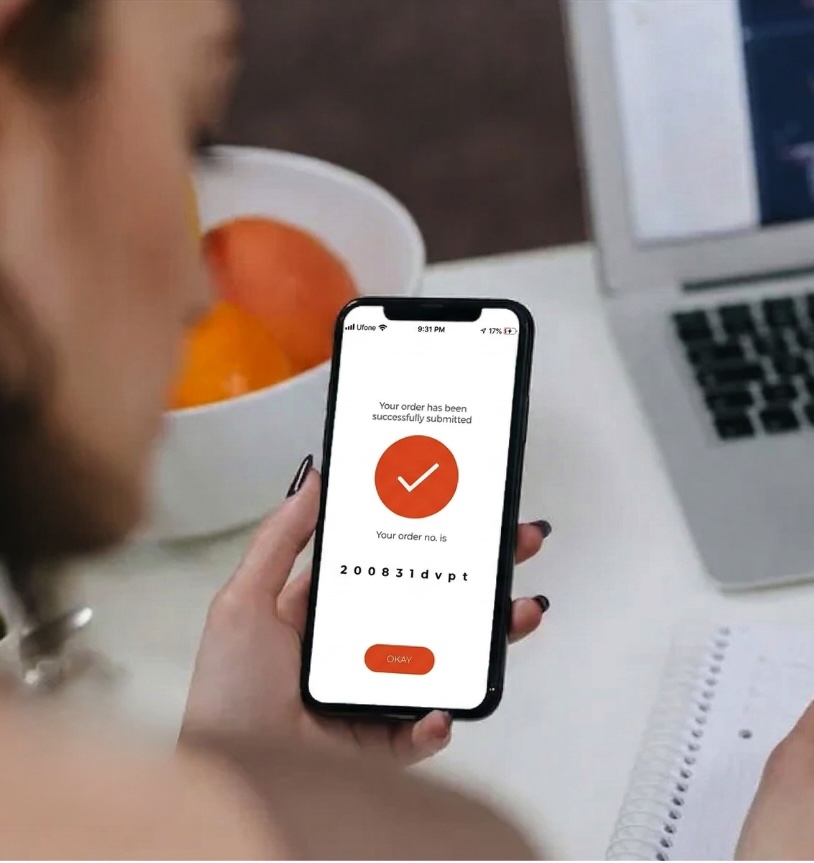
Customers do not have a philosophical preference. They have context. On a Friday lunch sprint, SMS wins because pockets vibrate, people glance, and they move. For a $400 catering deposit receipt, email wins because attachments, forwarding, and search matter.
Use SMS for short, high urgency facts: confirmed, ready, running late, wrong lot. Use email for richer storytelling: weekly specials, loyalty balance, catering follow-ups. Always stay inside carrier rules and honor opt-outs the first time. Nothing burns a list faster than spammy promos disguised as "updates."
- Instant show for pickup windows
- Great for "second touch" after first direct order
- Keep copy short; link out for details
- Receipts, invoices, catering paper trail
- Photo-heavy recap of specials
- Better for customers who hate texts
The operators who win combine both: SMS nudges behavior, email builds the archive. Same week, different jobs.
How to redirect loyal app customers without burning them out
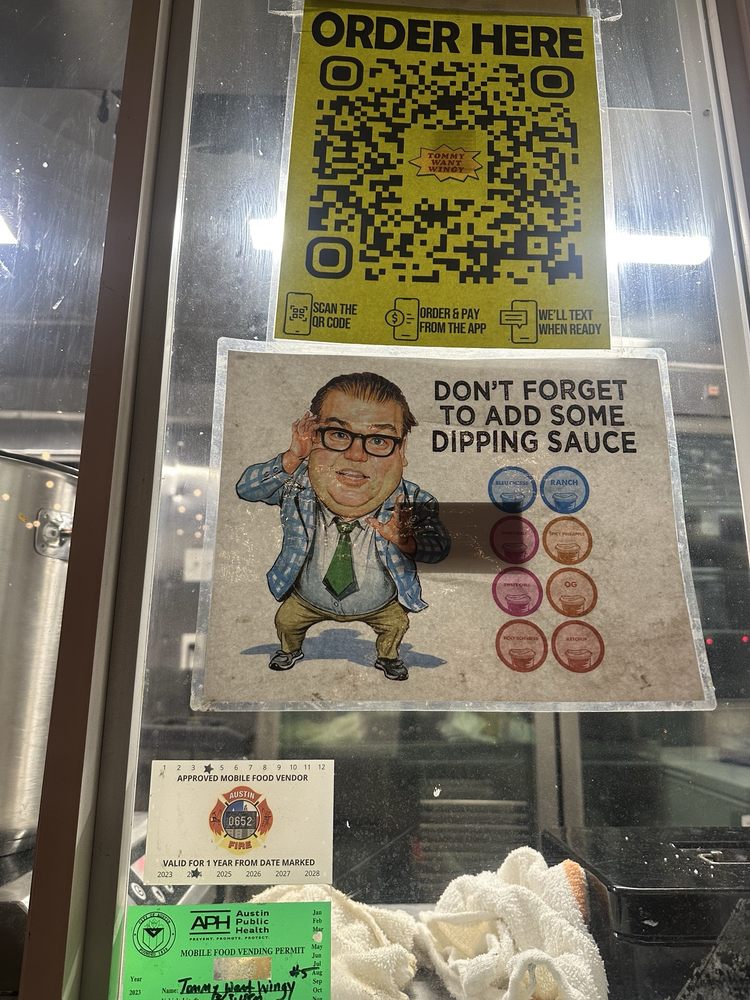
Nobody likes a lecture at the pickup window. They like a clear benefit and a two second explanation. Your crew should have one sentence: "If you order from our site next time, pickup notifications hit faster and you skip the extra platform fee stack." Then a QR on the window that lands on the same menu they already trust.
Incent once, not forever. A single thoughtful perk for a first direct order (sticker, drink upgrade, loyalty bonus) costs less than you think and buys memory. What you are fighting is habit, not hostility. Make the direct path obviously easier next time, not morally superior.
Printed receipts, napkin inserts, and email follow-ups can repeat the same calm story. Consistency beats intensity. You are rewiring a path, not winning a debate.
What order flow should look like on mobile vs. desktop
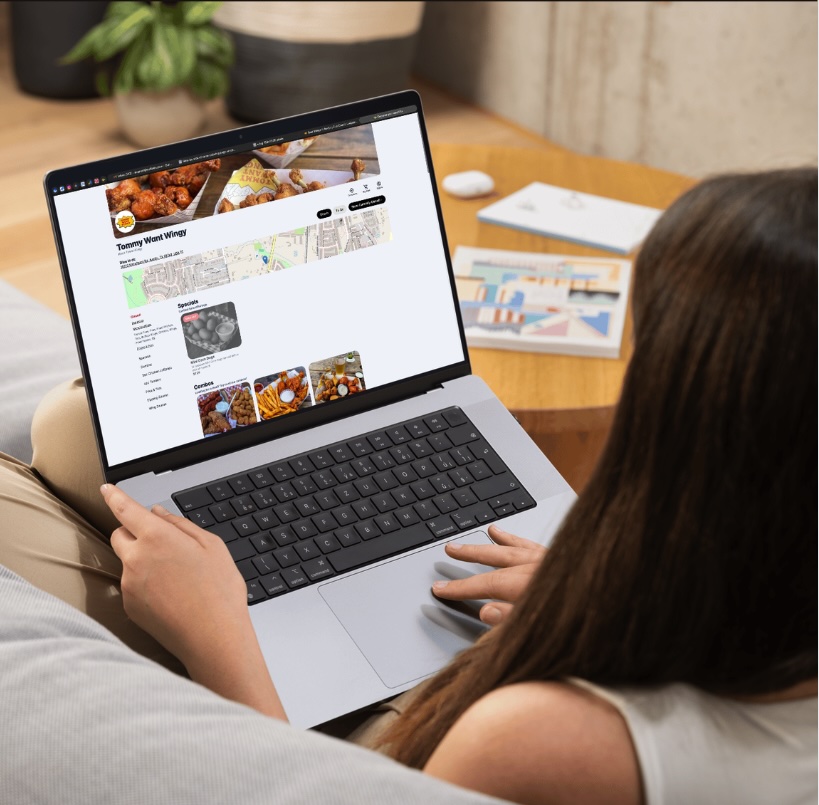
Most street service discovery happens on phones. Caterings and office planners sometimes start on desktop. If your flow only shines on one, you are bleeding the other half.
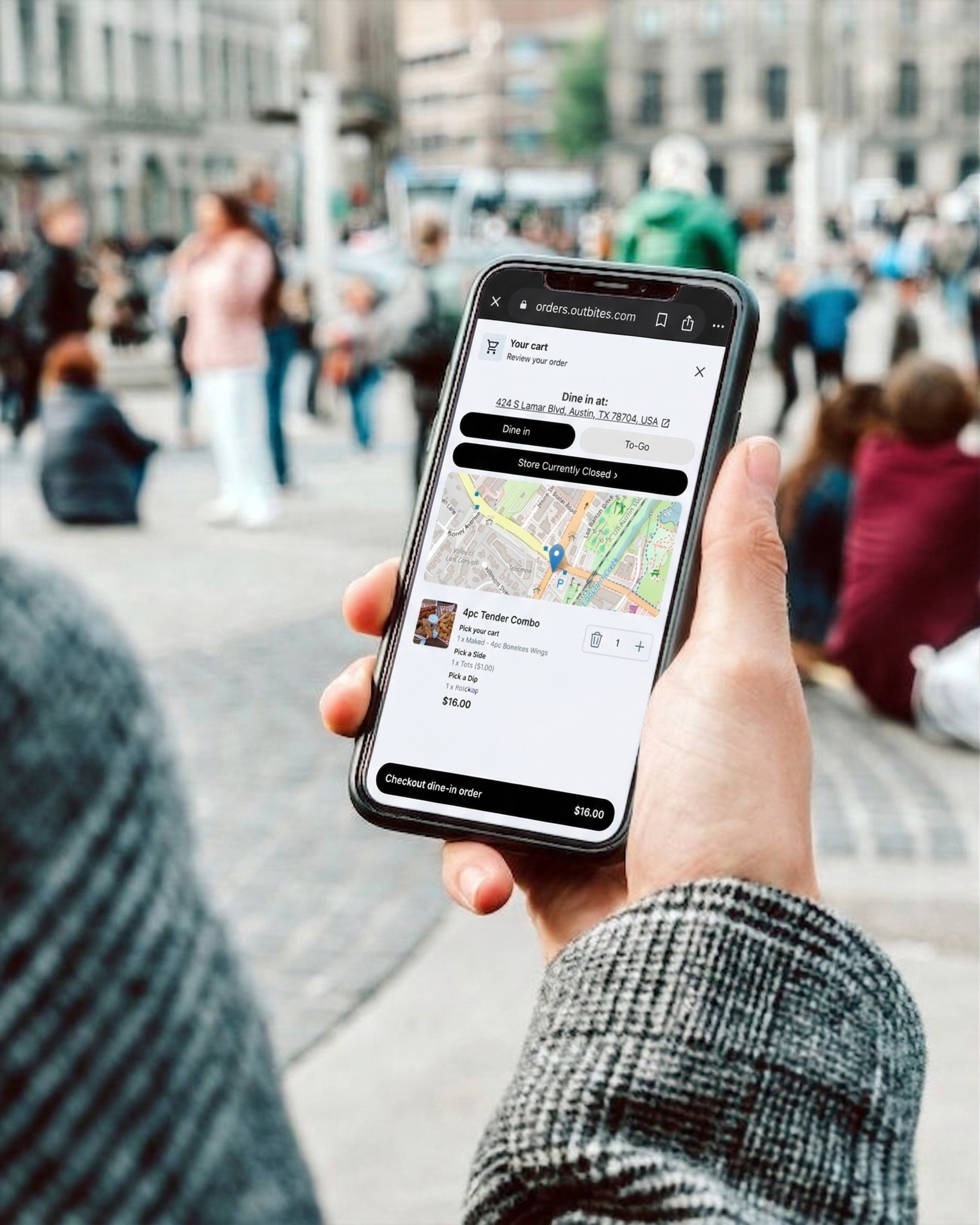
Mobile: Single column, collapsible categories, thumb-high checkout, persistent cart chip, oversized tap targets for gloves. Show pickup ETA and map pin early. Autofill where safe.
Desktop: Use width for comparison: lunch bundles side by side, catering package tabs, downloadable PDF for office admins. Keep checkout equally short; do not "reward" desktop users with extra steps.
Speed, clarity, geofenced pickup, Apple Pay.
Catering notes, shared cart, finance-friendly receipts.
Test both every time you change the menu. A dead desktop flow costs corporate salads; a dead mobile flow costs Wednesday lunch.
Upsells and add-ons that feel helpful, not pushy
The best upsell on a truck is the one that finishes the meal: drink with heat, cooling side with spice, utensil pack for office drops. The worst upsell is unrelated junk that reads like a vending machine crossed with a pop-up ad.
Use defaults generously. Pre-check a sensible drink size for combos with an obvious way to remove it. Surface one "popular add" line instead of five modals. When someone orders for a group, suggest a shareable that raises basket size without doubling prep chaos.
Language matters. "People also added" beats "You might like." "Complete the meal" beats "Limited offer." You are a host suggesting the natural next bite, not a slot machine.
Put direct ordering where your margin lives. One link, your brand, flat fair pricing per order.
Start FreeNo monthly fees. $1 per order. Cancel anytime.