
TL;DR
- Food trucks get a harsher labor market. Heat, tight stations, long rushes, and "always hustling" culture burn people out faster than a dining room with AC and a bench for breaks.
- Turnover has a receipt. Shadow shifts, slower lines, missed events, and uneven quality are all line items. Most of them never show up in payroll software.
- Hiring is a sales page. Clear hours, honest physical demands, pay bands, and a text confirmation cut ghosting before it starts.
- Schedules are retention tech. Predictable off days, swap tools, and leaders who do not grind the same person into back to back closes protect coverage without building resentment.
- Treat staff like your best regulars. Milestones, shift perks, and transparent tip rules cost less than retraining from zero every season.
- Cross-training is insurance. Two people deep at window, one flex on prep, documented checklists. That is how you survive a Friday no show.
- Culture is observable. Team meals, calm handoffs, and how you talk about customers in earshot of the window. People stay for the vibe, not only the hourly.
Slide both to match a typical week on your truck. Output is a planning nudge, not a diagnosis.
Why food trucks get a uniquely brutal labor shortage
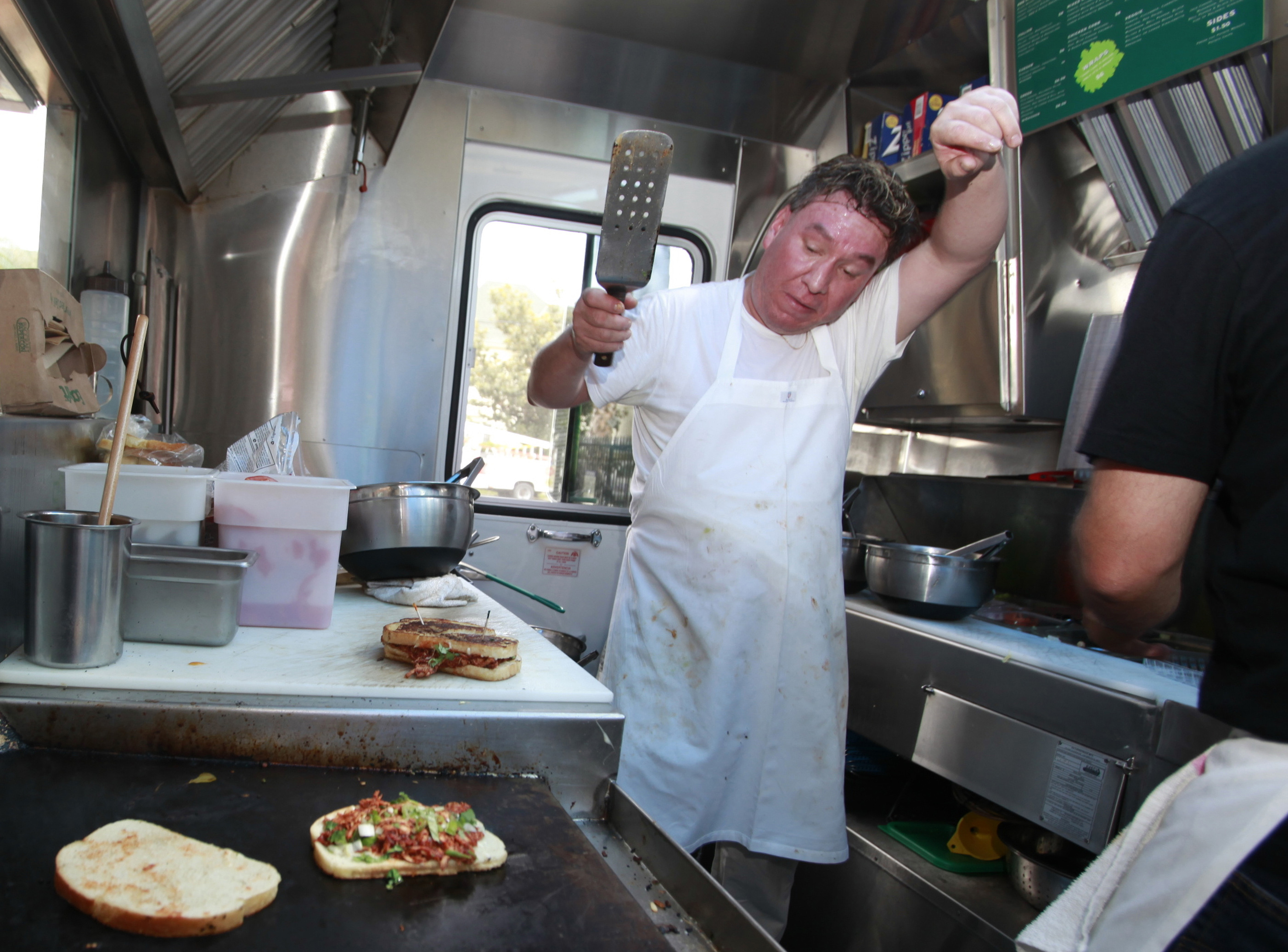
Brick and mortar shops can rotate someone onto expo, then dish, then a slow section on the floor. Trucks compress everything into a rectangle on wheels. There is nowhere to hide a bad mood, a sore knee, or a misunderstood ticket. When the heat index climbs, the griddle doubles as a space heater and your crew is already eight thousand steps deep.
Hustle culture hits different when there is no back office. The same "we're a family" energy that rallies a team during a festival can curdle into guilt when someone needs a real day off. Operators who win name fatigue as a risk the same way they name food cost. You are not weak for admitting it. You are accurate.
Weather, generator noise, grease mist, and parking logistics add invisible strain. Candidates from cafes may love cooking and still tap out on day three.
Peaks are vicious. Slows feel like failure. That emotional whiplash makes scheduling and communication matter more than free snacks alone.
Desk fact. Heat stress reliably cuts focus and patience. Build shade, real breaks, and water into the budget like you build propane. It is not "extra." It is uptime for humans.
If your pitch to new hires is only about passion for food, you will attract people who love Instagram and wilt under an eighty ticket lunch slam. Layer in truth about lifting, standing, and sweating. The right folks will still apply. They will also show up on week two.

The true cost of losing a crew member
Payroll is visible. The rest is quiet. Someone quits and you lose twenty hours of training you will never invoice. You burn a weekend double paying overlap while a new hire shadows. Regulars feel the difference when the person who remembers "no dairy, extra pickle" is gone. Catering setups take longer because tribal knowledge walked out.
Model replacement like you model ingredient yield. Count owner hours, lead hours, ruined product from slower prep, and mistakes at peak. Add the gigs you decline because you are one body short. Suddenly paying a retention bonus does not look soft. It looks like math.
Replacement depth ladder
Rough guide for planning coverage. Tune to your menu and city.
Customer experience dips are the sneaky tax. Lines creep. Tone at the window tightens. One bad Tuesday becomes a one star that references "attitude," not sauce. That is turnover interest paid in public.
Document what your best people know. Photos of plating, a shared note with catering load ins, even a two minute voice memo on generator quirks. You cannot clone humans, but you can shrink the cliff when they move on.
Job posts that attract people who actually show up
Generic posts attract generic flakes. "Rockstar line cook wanted" does not explain that Wednesday means loading dock stairs and a forty foot ethernet run for the card reader. Specificity is a filter that saves your calendar.
Lead with schedule shape: how many hours, which days are sacred off if any, whether festivals mean fourteen hour days with travel. Add pay honestly, even if it is a band. Mystery pay trains mystery candidates.
Ask one practical question in writing before you meet: "Describe a rush where you fell behind and how you recovered." You learn temperament faster than a resume decorated with "fast paced environment."
Scheduling practices that reduce burnout without losing coverage
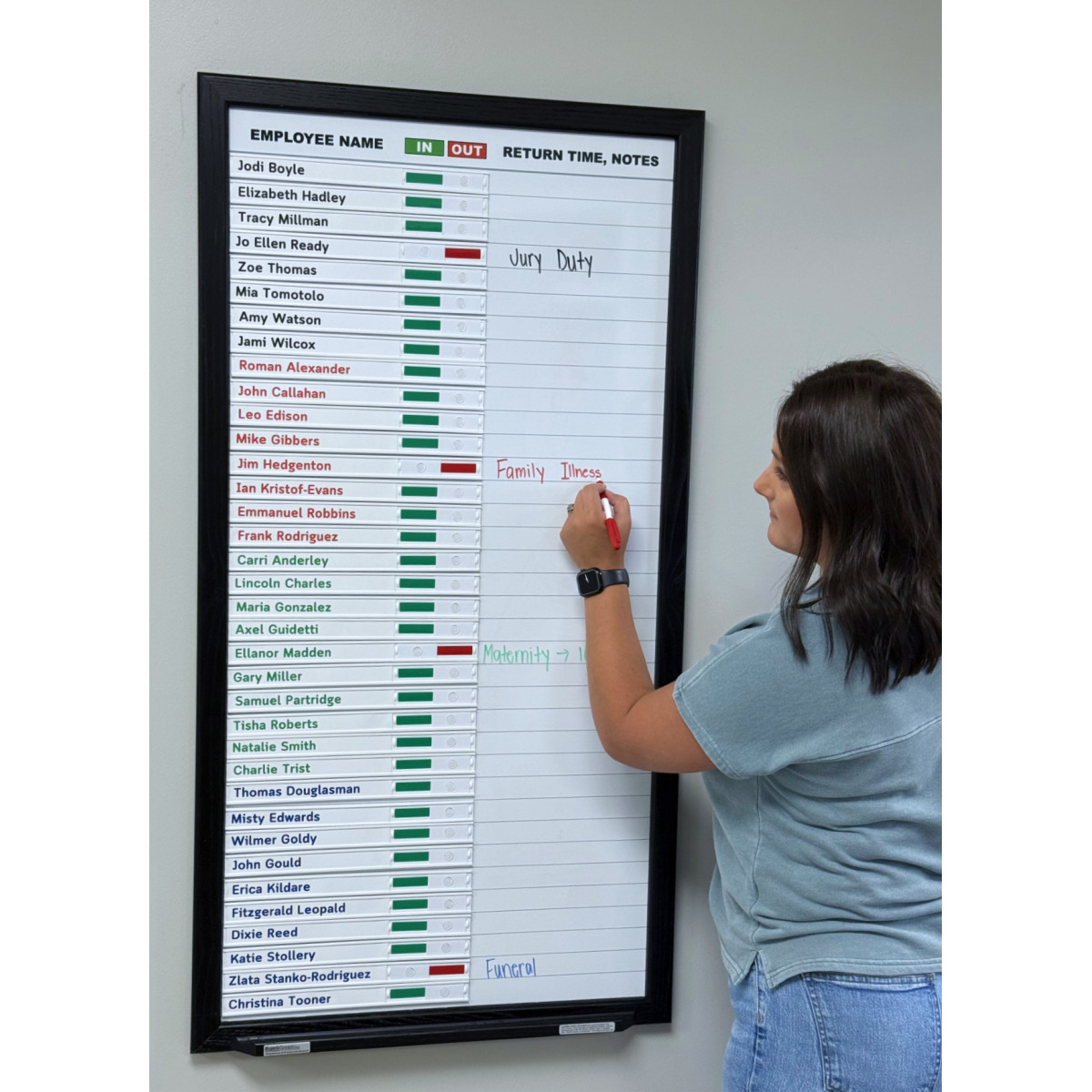
Burnout is not a personality failure. It is what happens when bodies cannot predict rest. If your schedule changes Sunday night for Monday open, people live in adrenaline. Adrenaline is not a benefits package.
Publish shifts early enough that your crew can plan life. Build a swap ritual: group chat rule, cutoff time, manager approval for skill matches. Swaps beat silent resentment until someone quits with no notice.
Watch clopens. Early load ins after late tear downs chew through your best people first. If the event money demands it, trade extra pay or a guaranteed recovery day. Cheap on paper, expensive in turnover if you skip it.
Use slow blocks for prep, training, and truck maintenance instead of pretending low revenue hours are "easy" slack. Protected time prevents the Wednesday where everyone arrives to broken plumbing and no backup plan.
Leaders: if you never take the bad shift, your team notices faster than any speech about unity.
The loyalty program angle nobody talks about: staff
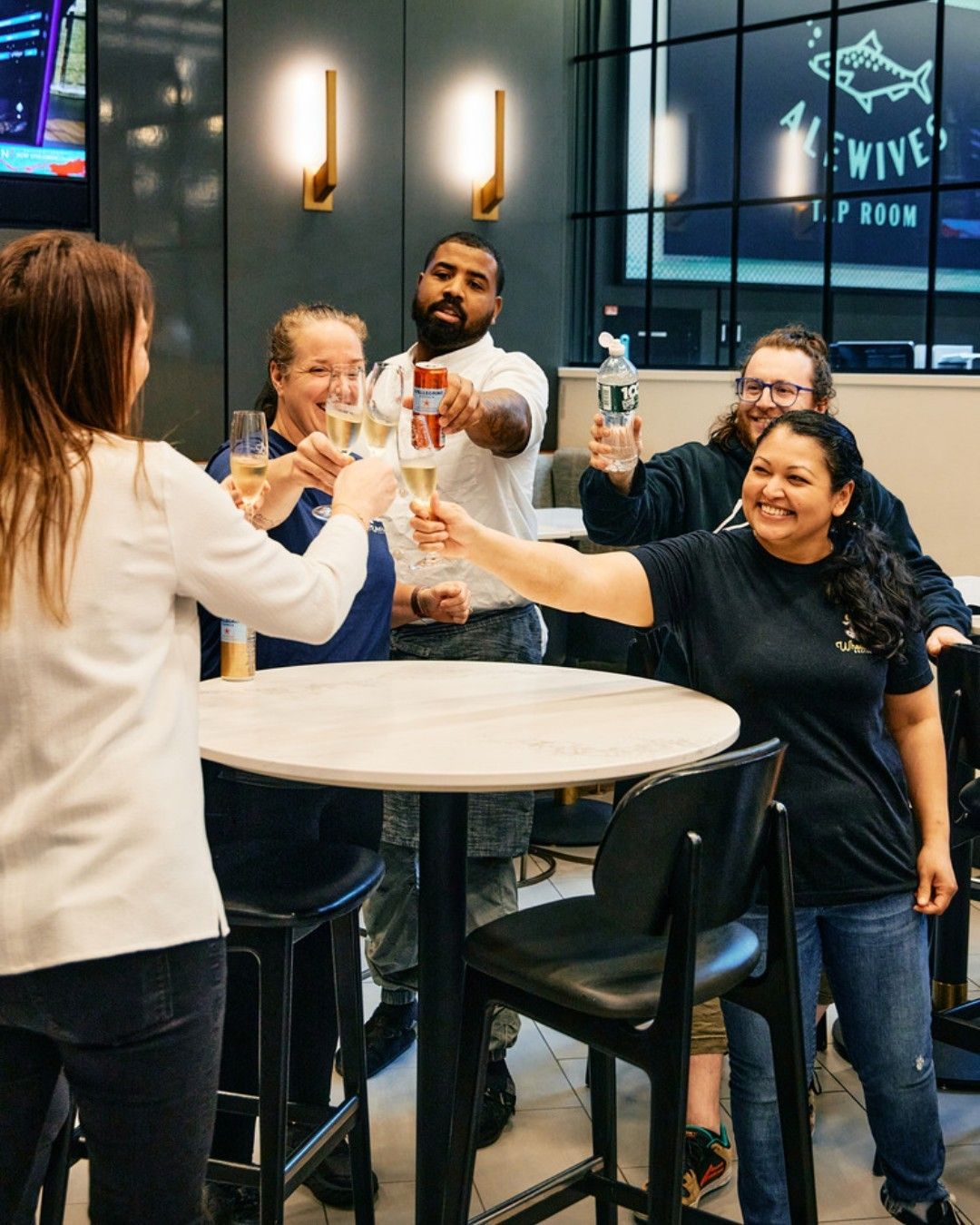
You already understand points and tiers for guests. Apply the same thinking inward. Milestones matter: first solo close, thirty shifts without a cash variance, surviving the insane July festival. Recognition can be money, hours preference, merch that does not embarrass them, or a handwritten note with a gift card.
Reward behaviors that protect the business. Perfect pre shift checklist streak. Cross training completion. Referrals that stick ninety days. You are reinforcing the stuff that lowers your blood pressure at 12:15 when the line doubles.
- First pick on a holiday that matters to them
- Rotation who chooses the shift playlist
- Catering tip pool transparency bonus
- Paid day off at one year, documented
- Lead training stipend, not vague "someday"
- Name a special after the crew quarterly winner
If you run a digital ordering and loyalty stack for customers, borrow the data mindset. Track tenure, attendance, and training completion the same way you track repeats. Not to punish. To see who you are underinvesting in.
How veteran operators structure roles and cut single person dependency
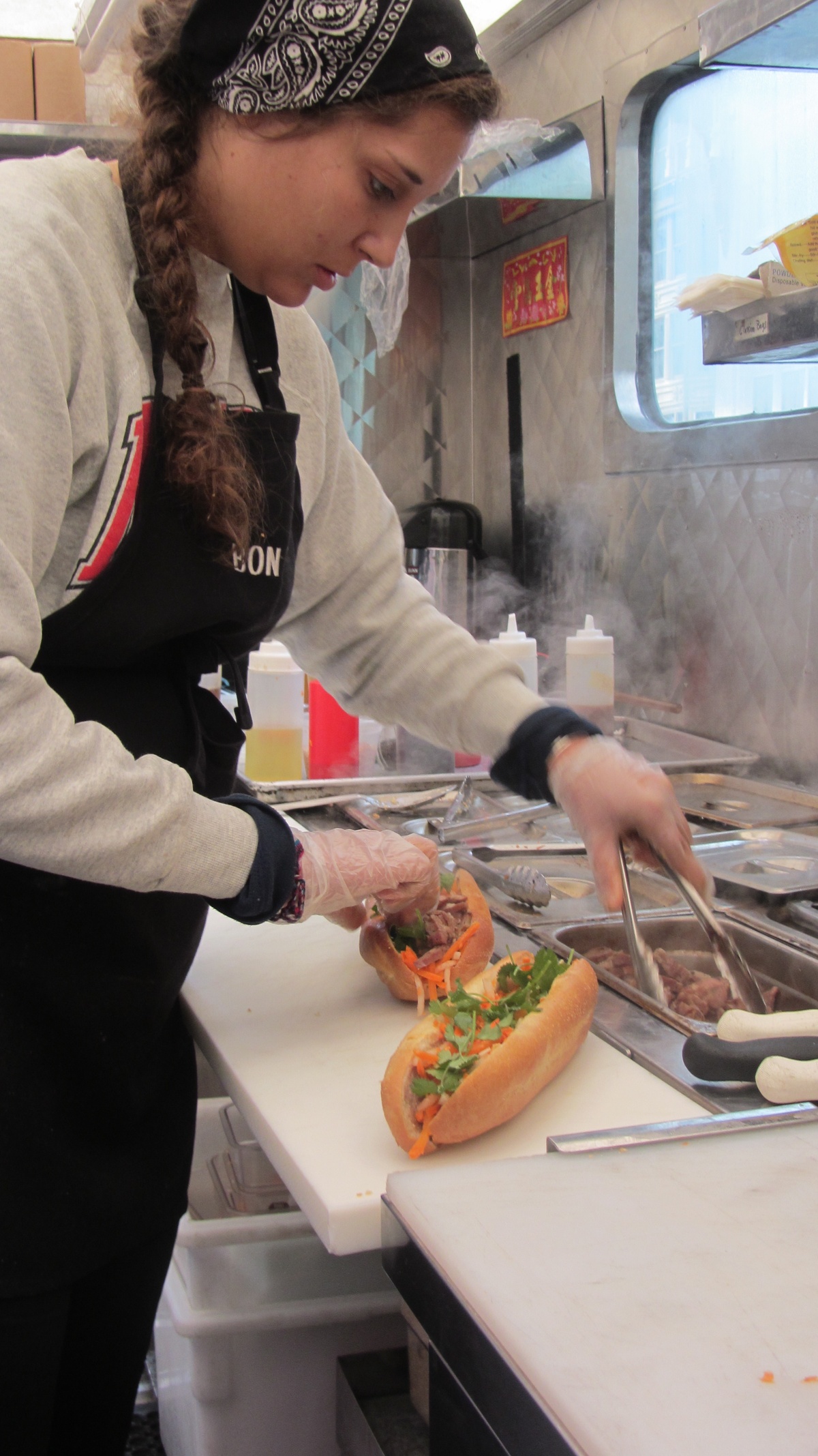
Naming roles beats hoping everyone "just figures it out." Window owns greetings, upsells, and conflict tone. Expo owns firing sequence and checks. Lead cook owns quality and 86 communication. Even on a two person day, rotate who owns what so nobody becomes the accidental single point of failure.
Write the boring stuff down. Generator start, propane check, grease disposal routing, food thermometers, cash close, which key opens which padlock. The truck is a machine. Machines need manuals when adrenaline is high.
Greeting template, de escalation words, "we are out of X" script, upsell that matches line speed.
Ticket priority, allergen pause button, who calls 86 first, photo of correct plating.
Run quarterly "what if" drills with zero shame. What if your lead is sick on a Saturday? What if the POS flakes? Muscle memory beats panic.
When you add catering or a second commissary stop, update the runbook the same week. Stale documents train the wrong crisis.

Cross-training that makes your truck resilient to last minute no shows
Depth is boring until it saves service. Aim for two people who can run window solo for fifteen minutes without quality collapse, and at least one alternate on your tightest prep station. Not everyone masters fryer and flat top equally. Fair. Map who backs up whom.
Micro drills work better than quarterly marathons. Ten minutes before open: swap window and kitchen for two fake tickets. Friday lunch: one person plates while shadowing. Low cost, high retention of skill.
Window x2, grill OR flattop backup, cash close x2, generator + propane x2.
Everyone can finish a basic four item ticket start to plate at half speed. Slow beats closed.
Protect payroll sanity with a simple rule: cross trained people earn a small differential or guaranteed hours preference. Otherwise training feels like charity work.
When someone covers outside their lane, debrief in one minute. What broke, what would help next time. Respect their nervous system and your future Friday.
Simple culture signals that keep good people longer
Culture is not a poster. It is whether people eat standing in the gravel while owners sit, how you split pooled tips on a weird partial day, and whether you apologize publicly when you snap during a rush.
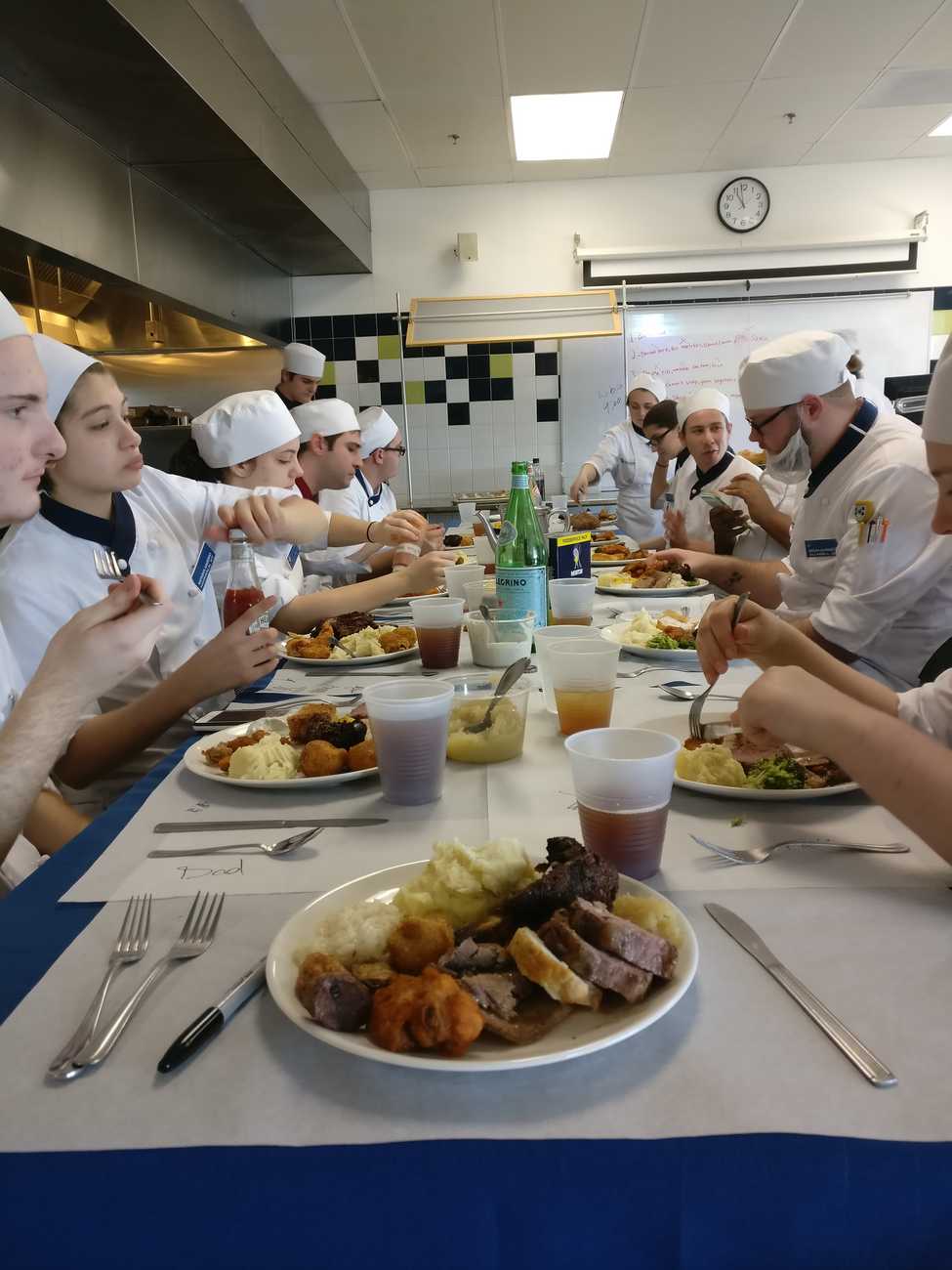
Team meals are a ridiculous superpower when done honestly. Same food, same time, phones down for twelve minutes. You solve tomorrow's problem cheaply because people actually talked.
Tip pooling norms need writing. Who gets a share on prep only shifts, how catering gratuity flows, what happens when window saves a night with comps. Ambiguity becomes drama. Drama becomes Indeed reviews.
Communication habits: one known channel for swaps, one for customers, quiet hours unless the truck is on fire. Constant pings feel like surveillance. Clear boundaries feel like professionalism.
Praise in public when it is specific ("you caught the bad batch before service"), critique in private with a path.
Rotate who leads the five minute post shift recap so voices do not stack on one lead.
Keep customer trash talk off channel with new hires until they understand the difference between venting and contempt.
Retention is a thousand small choices. Pay matters, but being predictable, fair, and honest about hard days beats a dollar an hour that comes with chaos.
When the window closes, build the next shift
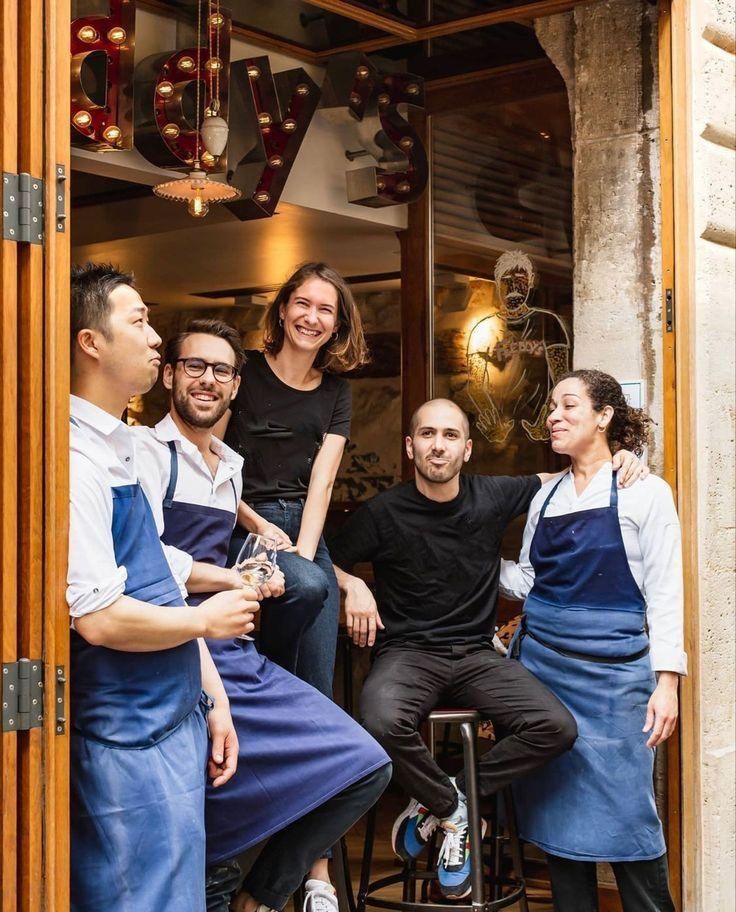
The best crews debrief fast: one thing that worked, one friction point, one fix for tomorrow. No hour long meeting. Five focused minutes before everyone drives away tired. That is where cross-training gaps and culture cracks surface when they are still cheap to fix.
Staffing is not a one time hire. It is a system: honest recruiting, schedules people can trust, depth on the line, rewards that match effort, and leaders who model the standard. Nail that and your truck stops being a revolving door and starts being a place people brag about working.
Own repeat orders and customer data with direct ordering built for trucks. Flat fair pricing per order, no surprise skim.
Start FreeNo monthly fees. $1 per order. Cancel anytime.