
TL;DR
Heavy discounting trains people to wait for the next promo. That pattern quietly shaves margin and makes "regulars" feel like deal hunters. A structured loyalty program rewards the actions you want: another visit, a bigger ticket, a referral.
Transactional perks (punch cards, one off freebies) are easy. Emotional loyalty is harder: it is the feeling that your truck is their spot. Chains win because they combine data, rhythm, and recognizable rituals. Indies can copy the useful parts without the million dollar ad buy.
Design points so they are easy to earn, clear to understand, and worth finishing. Know the psychology hooks: identity, habit, and social proof. Run the revenue math on repeat guests: small lifts compound. Skip the mistakes that make people abandon the program. Finally, automate capture and reminders so your crew is not running a spreadsheet during rush hour.
When Every Day Is a "Special," Nothing Is
A free side or a deep percentage off can fill a slow hour. Do it every week and you teach a simple lesson: full price is optional. Guests start timing orders around the coupon cycle. Your kitchen still runs at full cost while the average ticket drifts down. That is not loyalty. It is price conditioning.
Margins on mobile food are already tight. Fuel, permits, commissary, and labor do not shrink just because you gave away fries. The hidden cost is harder to see: you attract people who love a bargain, not necessarily people who love your food. When the deal ends, they vanish.
None of this means you should never run a promo. It means promos work better when they are rare enough to feel special and when they move someone into a system you control. A flash deal that pushes people to your direct order link and joins your list is different from an endless drip of codes that only teach people to wait for the next percent off.
Transactional Loyalty vs. Emotional Loyalty
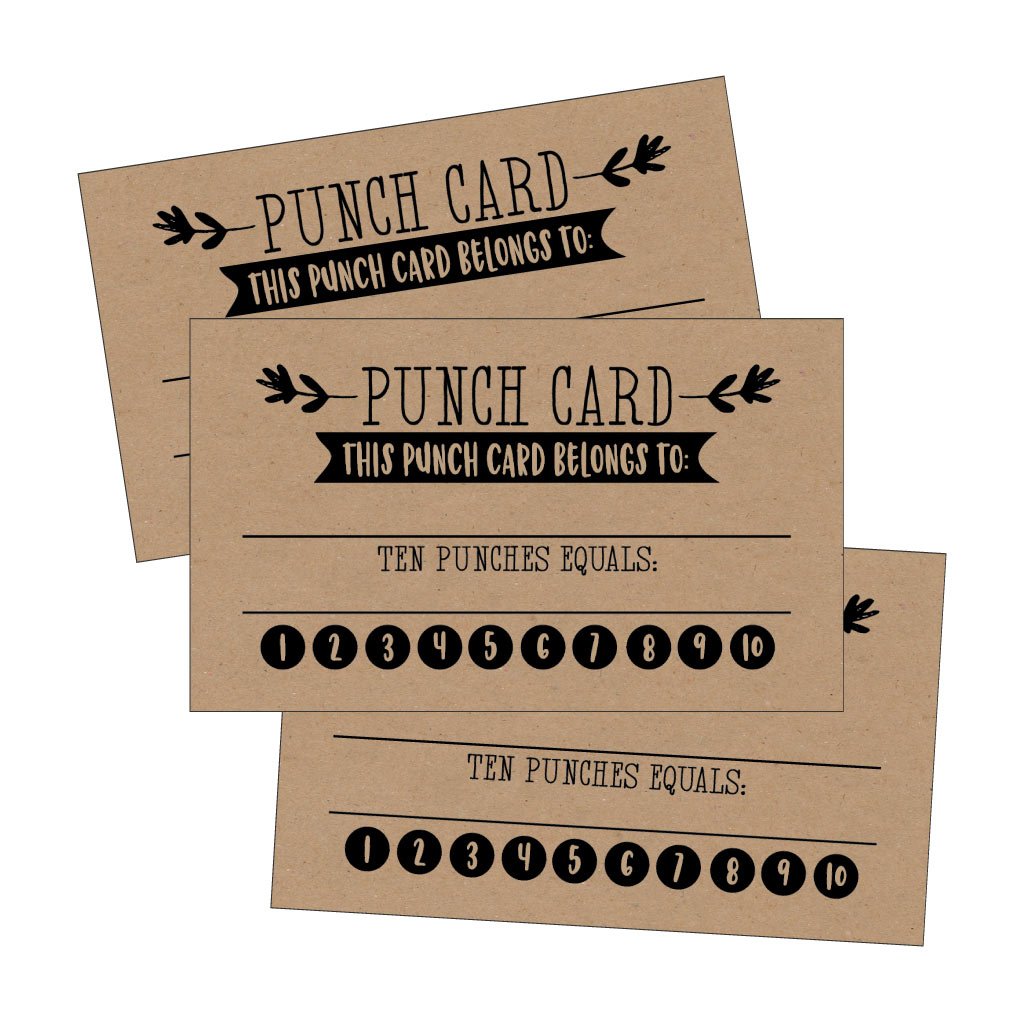
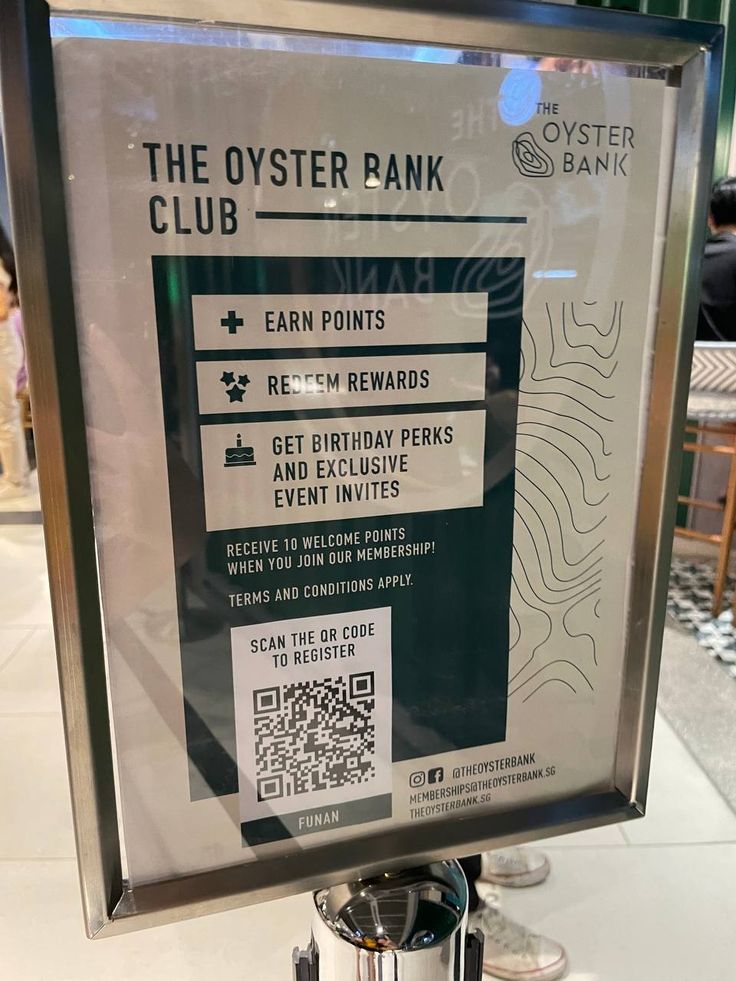
Transactional loyalty is "I am here because I get something." Punch cards, tenth sandwich free, birthday dessert. It works for frequency if the rules are simple and the reward feels fair. It fails when the program is confusing, the payoff feels tiny, or staff cannot explain it in ten seconds at the window.
Emotional loyalty is "I am here because this is my truck." That comes from consistency, recognition, and story: your playlist, your line banter, how you handle a wrong order, the way regulars get greeted. Programs can support that emotion when they remember preferences and celebrate milestones without feeling creepy or corporate.
- Keep the earn path visible on a phone screen or a small sign. Mystery rules kill participation.
- Pair points with moments: first visit, third visit, referral, catering deposit. Spread the wins.
- Let your crew mention the program in one sentence. If it needs a paragraph, it is too heavy.
What Big Chains Nail That Indies Ignore
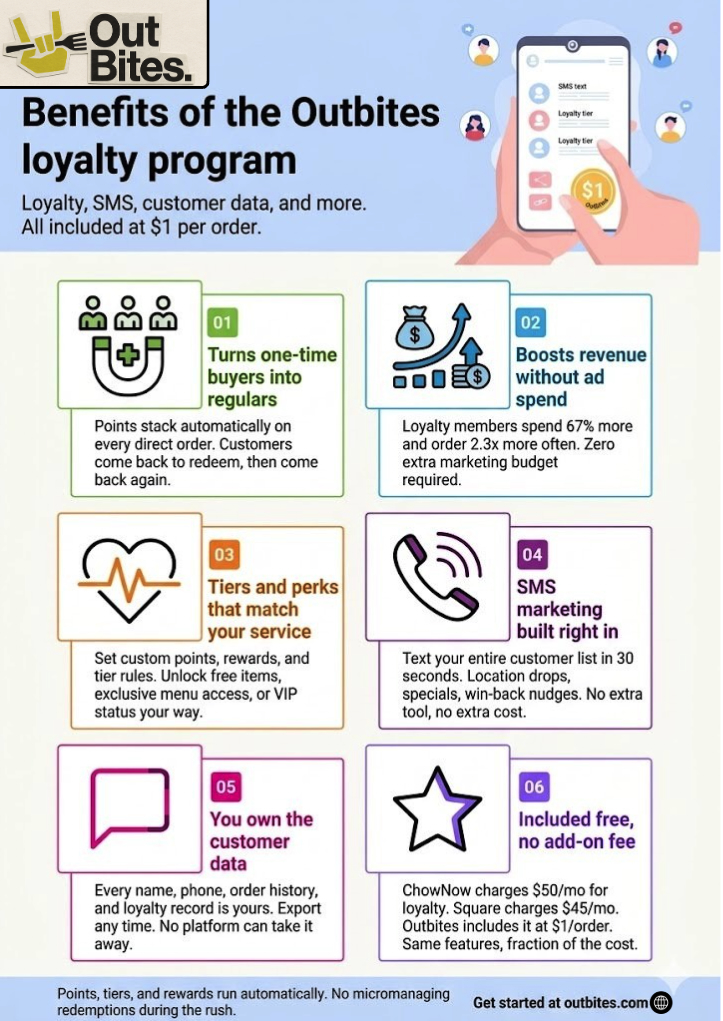
Chains obsess over three boring things: identity, frequency, and data. They know who ordered last week, what they bought, and what nudge to send next. You do not need their budget. You do need their clarity. A loyalty program is really a lightweight CRM for people who eat at your window.
Independent operators sometimes treat loyalty like a poster on the truck instead of a system. Chains tie rewards to apps and phone numbers because those are durable links. When the guest moves neighborhoods or skips Instagram for a week, the program still works. Meet guests where they already are: text, email, and a fast order link. Make joining take one action after the first great meal.
You can still sound local and human. Automated messages do not have to read like a bank. Short lines, your voice, and timing that respects dinner hours beat corporate paragraphs. The chain advantage is consistency and follow through, not fancy words.
Tie orders to a phone number or email so you know who is back for round two, not just another ticket. That is how you greet regulars by name and preference instead of blasting everyone with the same coupon.
Send follow ups on a steady beat: thank you after a visit, points balance nudges, win backs when someone goes quiet. Random noise feels spammy. A calm cadence feels like a brand that remembers you.
Look at ticket size, visit count, and days since last order before you decide what to say next. Signal turns guesses into simple rules: who gets a catering pitch, who needs a nudge, and who is already a superfan.
Points Should Train the Behaviors You Actually Want
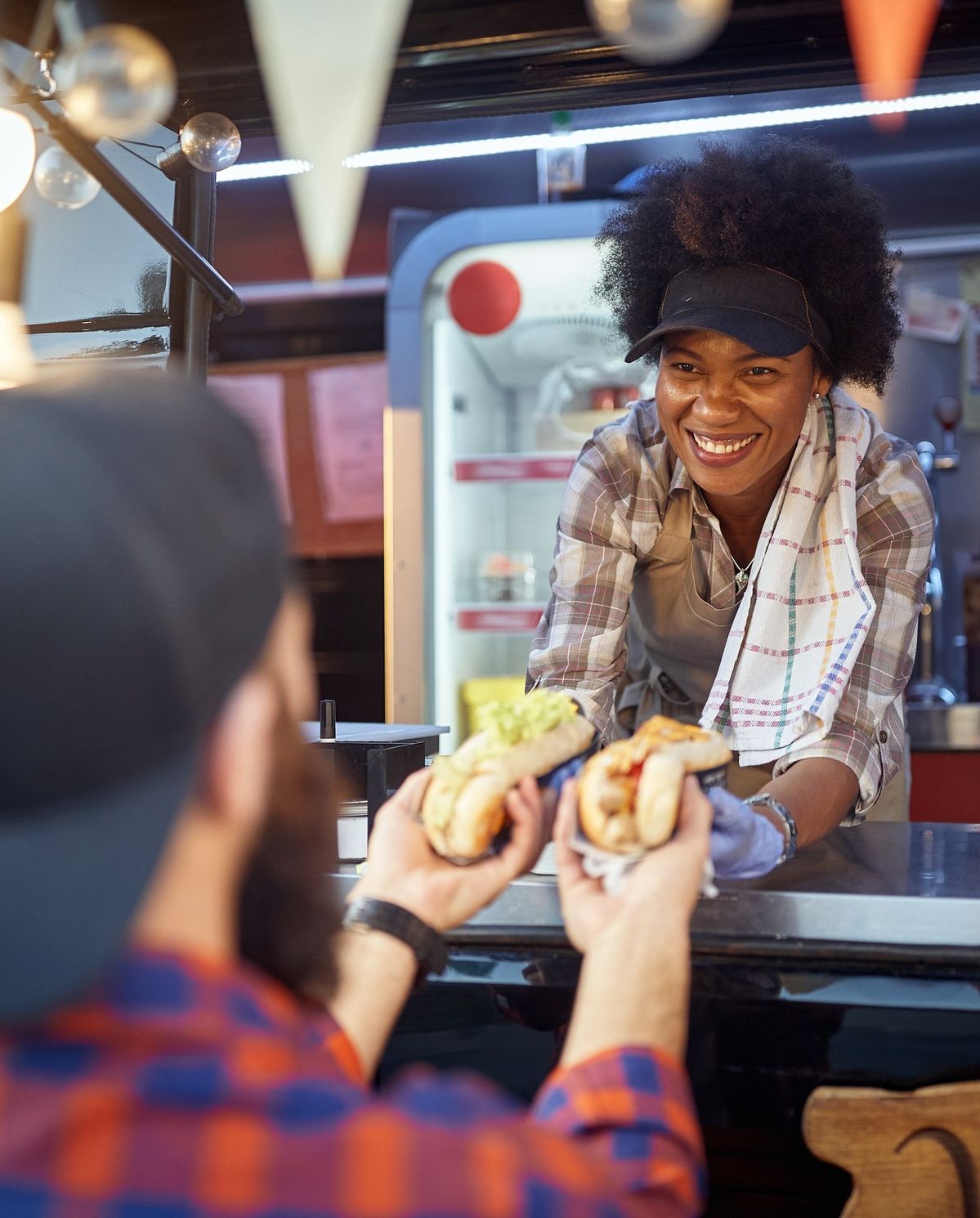
Start by naming three wins: more weekly visits, higher average ticket, more referrals or catering leads. Your points rules should lean toward those wins, not toward random freebies that do not change habits. If you only reward cheap items, you train people toward the lowest margin part of the menu.
Tier simple rewards so the first redemption arrives fast. Early momentum matters. Then stretch the bigger reward so there is a reason to stay engaged. If everything is a long grind, people quit. If everything is instant, you bought a spike with no stickiness.
Sample point map (tune to your menu)
- 1 point per dollar spent (clear math beats clever math).
- Bonus points for ordering ahead or picking up a pre scheduled slot (smooths your line).
- Referral credit when a friend completes a first purchase (measurable word of mouth).
- Catering or large tray deposit triggers a one time bonus (moves you upmarket).
Why People Actually Stay Loyal
Loyalty is not only rational. People return because the brand feels aligned with who they are, because stopping by is a habit, and because their friends go too. You can trigger those levers without a stadium ad buy. Show regulars you notice them. Celebrate your crew. Let the truck have a point of view that is bigger than "we sell tacos."
Social proof matters at the window. Lines, tagged photos, and "this is our spot" energy pull new guests in. Your loyalty touchpoints should reinforce that story: "welcome back," milestone rewards, early access to a special drop. Those touches feel personal when they are consistent and short. Long corporate paragraphs kill the vibe.
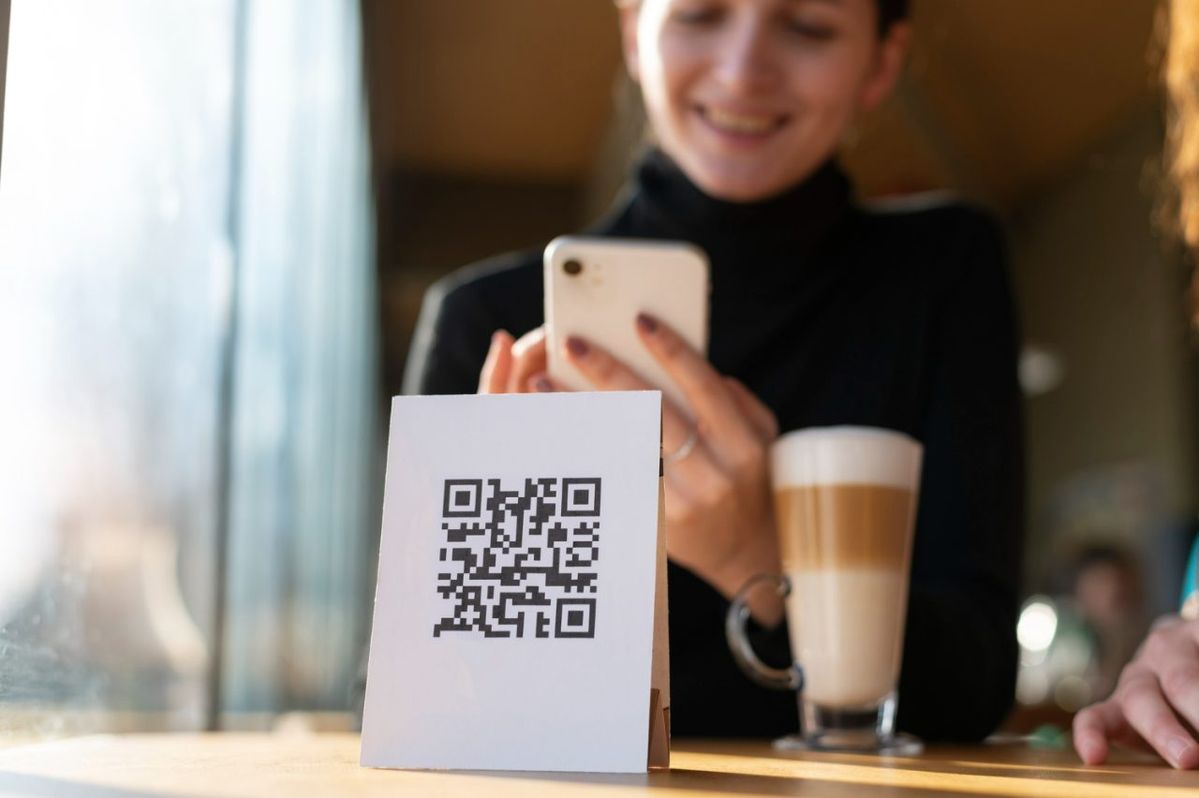
Habits form when the reward is predictable and the effort is low. That is why a QR on the window beats a clipboard. It is also why surprise upgrades land well when they are occasional. If every visit throws a random freebie, guests lose the sense of progress. If every fifth visit unlocks something they wanted anyway, the loop tightens.
What a 10% Lift in Repeat Business Can Do
Here is a clean way to think about it without getting lost in spreadsheets. Take your annual window and catering sales. Split how much comes from people who already visited before versus first timers. That repeat slice is your loyalty engine. When that slice grows, you usually spend less to acquire each dollar because you are not paying to reintroduce the brand every time.
That lift is mostly additive if your kitchen can handle the volume. No new ad network required. Same fixed costs, more revenue from guests who already trust you.
Swap the numbers for yours. Even modest gains matter because they stack across seasons. The point is not perfection. The point is to measure repeat share, then run programs that move it on purpose instead of hoping it happens.
Loyalty Mistakes That Quietly Kill Participation
The worst programs are the ones staff avoid because they are embarrassing to explain. If your team mumbles through the rules, guests will not enroll. If the reward takes forever, people forget. If you punish missed visits with a hard reset, you train anxiety instead of habit.
- Too many tiers and logos on one flyer. Pick one path for the first season.
- Rewards that feel cheaper than the data you asked for. Trade should feel fair.
- No reminder when someone is one visit away from a win. Momentum dies in silence.
- Treating catering and walk up as the same guest without linking accounts. Someone will feel cheated.
Fix the friction before you add more promos. A simple program that runs every day beats a clever program that lives in a drawer.
The Tech Side, Stripped Down
You want capture, storage, and nudges without a new job title. QR codes at the window get people to your ordering link fast. When ordering lives on your own rails, you own the relationship instead of renting it from a marketplace. Automate the boring parts: points balance, redemption codes, birthday or anniversary touches if you collect dates.
Think in terms of handoffs. The guest scans once. The system remembers. The crew confirms the order, not the entire history of the program. If your line cook has to open three tabs to explain a reward, the program is too heavy. Strip steps until a new hire can explain it on day one.
The win is not "more software." The win is fewer repetitive conversations at rush hour and more guests who feel remembered. Start small, prove enrollment rate, then refine rewards once people actually use the thing.
Own orders, data, and loyalty from one stack. Keep the dollar per order, skip the commission drama.
Start FreeNo monthly fees. $1 per order. Cancel anytime.