
TL;DR
Your food truck's chaos isn't a people problem. It's a space problem. Layout dictates flow. When your crew is constantly crossing paths, working without clear zones, and scrambling to prep during service, no amount of hustle fixes it. Here's the short version:
(1) Your layout (not your staff) is the real cause of slow service, bottlenecks, and burnout in a small, high-heat environment. (2) Map your crew's movements and design three non-overlapping zones: cooking, plating, and cash/handoff. Each zone, one person. (3) Build your prep schedule by task logic and dependency, not just time targets, so your team hits the rush ready. (4) Know the five biggest bottleneck moments and fix them before they blow up your line speed. (5) A smoother workflow directly protects your staff's physical safety, their mental load, your customers' experience, and your margins, all at the same time.
Your Layout, Not Your Staff, Is the Real Culprit
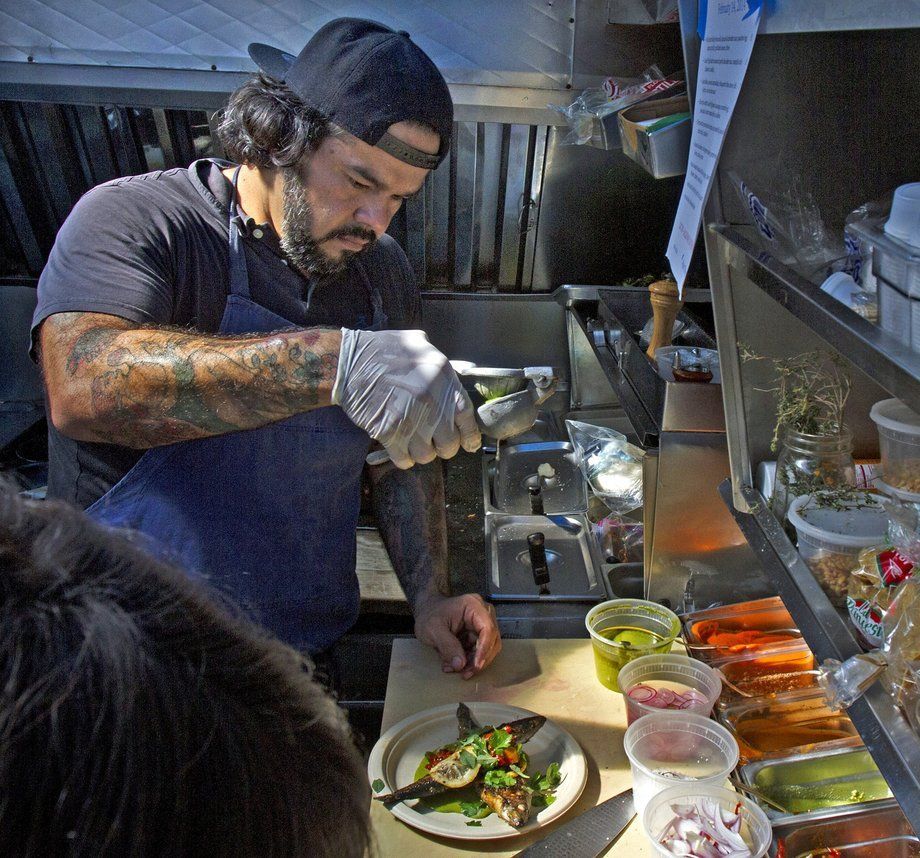
It's easy to blame slow service on a new hire who can't keep up, or a cook who "just isn't fast enough." But in a food truck with 80 to 100 square feet of workspace (roughly the size of a large bathroom), the environment itself creates most of the friction. When your layout forces a cook to walk past the plating station to grab an ingredient, and the person handling cash has to squeeze past them to reach the window, nobody can be fast enough.
This is a spatial design problem. The fix isn't yelling "move faster." It's mapping how your crew actually moves through the truck during service, identifying every place where those movements conflict, and redesigning the space (or the workflow) so every person has a clear, uncontested lane.
Think of a NASCAR pit stop. Every crew member has one assigned job and one assigned position. Zero crossover. The team that gets the car out in 10 seconds didn't get there by working harder. They got there by eliminating every unnecessary movement from the system. A food truck works the same way.
Map Your Movements. Then Build Three Zones.
Before you rearrange anything, spend one service period watching. Grab your phone and record a few minutes of your crew at peak. You'll spot the friction immediately: who's walking into whom, where finished food sits with nowhere to go, which steps get skipped because there's no room to do them properly.
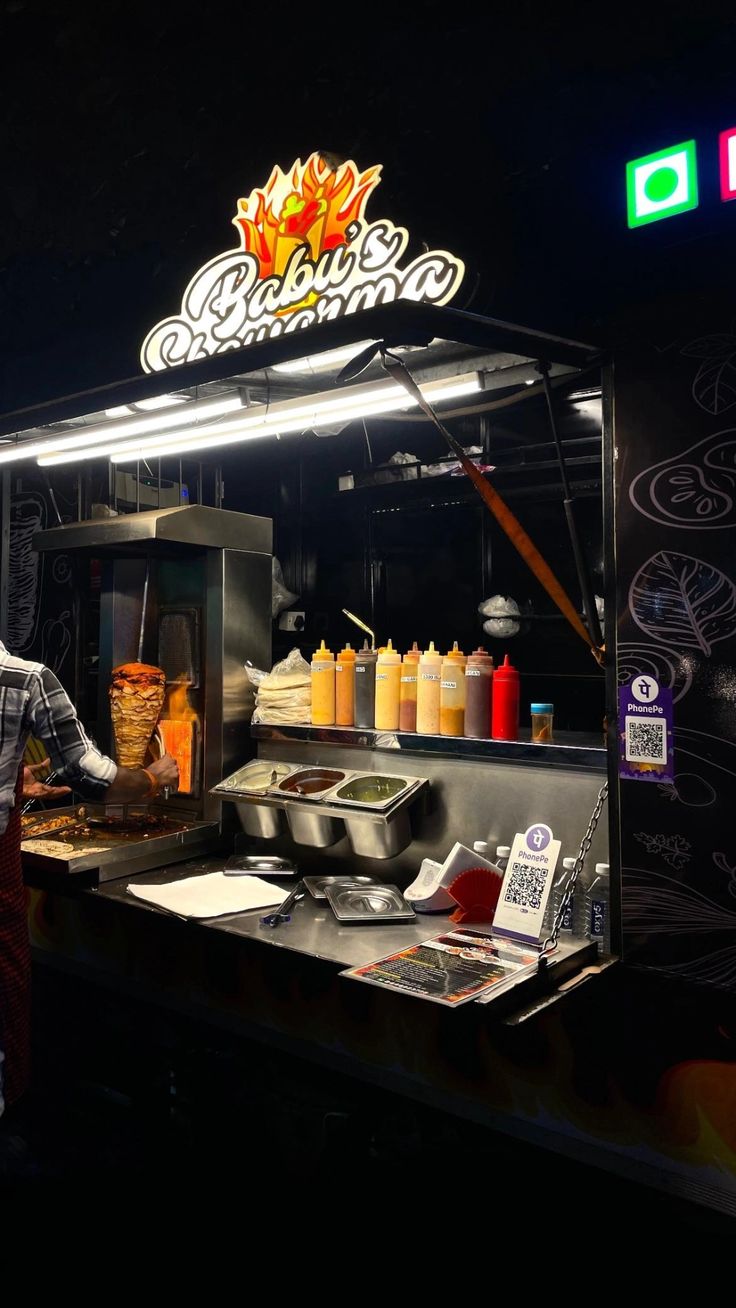
Once you can see the flow, redesign around three non-overlapping zones. Each zone is owned by one person during service. Nobody drifts. Food always moves forward, never backward.
Grill, fryer, burners. One person, no shared access during service. Everything raw or in-progress lives here. Nothing else enters this zone at peak.
Assembly station. Sauces, toppings, garnishes, packaging. Takes finished food from Zone 1 and builds the final dish. All condiments pre-staged here before service.
The window. Orders in, food out, payments processed. Zero contact with cooking or plating during rush. The cleaner this zone, the faster the line moves.
The golden rule: food only moves in one direction: cooking → plating → handoff. Nobody crosses back. If you need a sauce from the cooking side, it should already be staged at the plating station before service starts. Pre-positioning eliminates 80% of the collisions.
Build Your Prep Schedule by Task Logic, Not Just Time
Most prep lists are written backward. Someone picks a service start time (say, 11:30am) and works backward guessing how long each task takes. The problem: time-based schedules ignore dependencies. If your brisket needs four hours and you don't start it first, it doesn't matter what time you wrote "start brisket" on the list. You're scrambling from minute one.
Logic-first prep sequencing maps which tasks block other tasks: what can't happen until something else is finished. Then it layers time on top. Your critical path is protected, and your team arrives at service calm and positioned instead of still catching up.
Build this into a physical laminated checklist your crew runs every prep day. Over time it becomes muscle memory. When the rush arrives, your team is already set up and calm instead of still playing catch-up.
The Top Bottleneck Moments and How to Kill Them
Most food truck slowdowns don't come from nowhere. They come from the same five moments, repeated service after service. Use the audit to identify yours, then eliminate them before they show up on Yelp.
The Single-Cook Chokepoint
When one person is responsible for every item on the menu, the whole truck runs at their pace. When they fall behind (and everyone does eventually), the line collapses. The fix is aggressive mise en place (pre-prepped components that cut cook time) and a menu that allows parallel execution: two things cooking at once, not one item at a time in strict sequence.
The Collision Zone
When your cook has to pass behind someone to reach the cooler, or your cash person has to lean over the plating station to hand food out the window, you're manufacturing collisions. Physical bumps, spilled food, dropped orders. Sometimes moving one container six inches solves the whole problem. Map it first.
The Payment Slowdown
Cash handling at peak is brutal. A customer fumbling for $12 in exact change holds up the entire line. Online pre-orders and a QR code ordering system let customers pay before they arrive, so the handoff zone becomes exactly that: a handoff. No payment friction, faster line movement, and your window person isn't doing four jobs at once.
The Missing-Item Scramble
Running out of a sauce or topping mid-rush doesn't just slow down one order. It stalls the whole line. The fix: par levels. Every item at every station has a minimum quantity before service starts. If anything is below the line, the truck doesn't open until it's restocked. No exceptions.
The "What's Next?" Loop
When your crew has to ask each other what needs to happen next, you don't have a people problem. You have a systems problem. Written station checklists, a clear order-call system (first in, first out, called verbally, confirmed verbally), and explicit role ownership eliminate the loop. Everyone knows what they're doing and in what order, without needing to break their flow to ask.
A Smoother Workflow Protects Your Staff, Your Customers, and Your Bottom Line
This isn't just about shaving seconds off order times. A well-designed workflow has compounding benefits that ripple across every part of your operation, and they show up in places most operators don't expect.
The goal isn't a perfect food truck. It's a truck that runs clean enough that your crew can show up, do their best work, and go home not completely destroyed. That's sustainable. That's what keeps good people around long-term. And when the rush hits, a team that isn't fighting the environment can put all their focus where it belongs: on the food and the customer.
Take payment friction off your window person's plate.
Online ordering and QR codes let customers pay before they arrive, so your cash/handoff zone is just a handoff, and your line keeps moving.
Start FreeNo monthly fees. $1 per order. Cancel anytime.