

TL;DR
Service is what happens at a table: the greeting, the order, the food, the check. Hospitality is how the guest feels while all of that happens. Most restaurants treat these as the same thing. They are not, and the confusion drives real financial damage.
You can run a table perfectly on paper and still leave the guest feeling like a transaction. That guest will not come back. The one who felt genuinely welcomed, seen, and cared for will.
The good news for independent operators: you have a structural advantage over every chain in your market. You can be human in ways they cannot. Most owners just don't lean into it intentionally enough.
The fix is not a new training manual. It is a culture shift that starts from the inside, beginning with how you treat your own team.
The Definition Gap Nobody Talks About
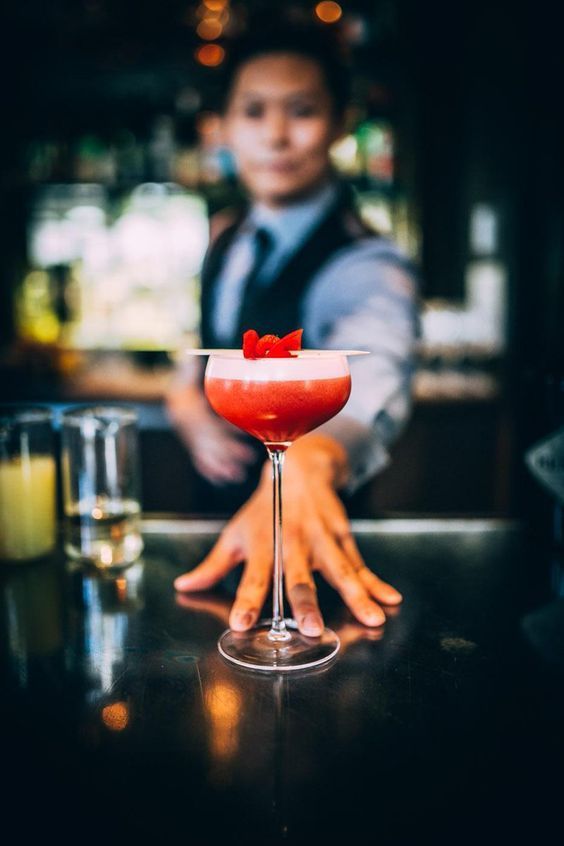
Service is the delivery mechanism. Hospitality is the emotional experience. The confusion between the two is costing restaurants real money, and the conversation almost never happens directly.
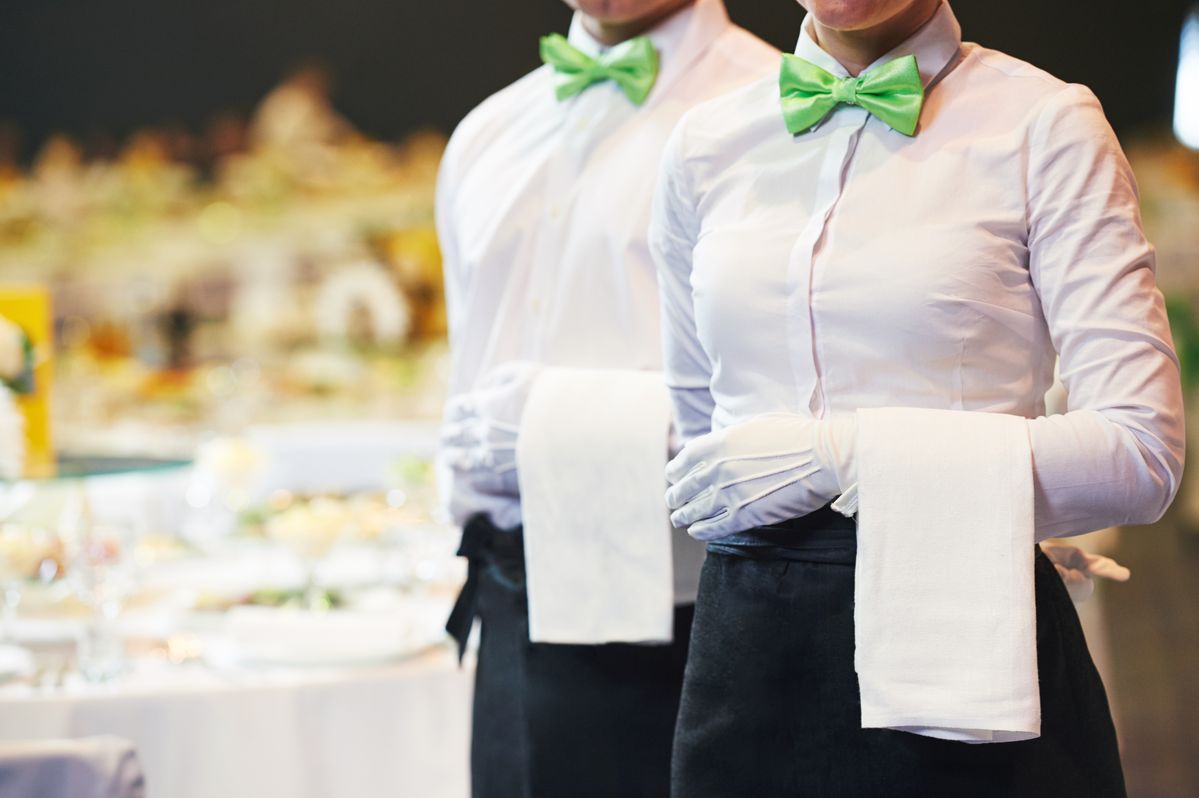
When a server greets a table within 30 seconds, takes the order without errors, delivers food at the right temperature, and presents an accurate check, that is service. Well-executed, repeatable, measurable service. Operators love this because it fits into training manuals and performance reviews. You can track it. You can score it.
But here is the problem. A guest can receive technically perfect service and still leave feeling like they were processed rather than welcomed. The food came on time. The check was right. And somehow, they feel worse for having been there.
Service
Hospitality
That gap between what happened and how it felt? That is where restaurants win or lose their regulars. Service is functional. Hospitality is emotional. One is about execution. The other is about connection. Conflating them leads owners to optimize the wrong things entirely.
Danny Meyer, one of the most celebrated restaurateurs in the US, dedicated an entire book to this distinction. His core argument: service is the technical delivery of a product, while hospitality is how that delivery makes the recipient feel. The mechanics and the meaning are different things entirely.
The restaurant industry borrows its language from manufacturing and logistics. That makes sense for kitchen efficiency and supply chain management. The moment that framing bleeds into how you think about guest experience, though, you have already lost something critical. Guests are not inventory to be processed. They are people who showed up hoping to feel something good.

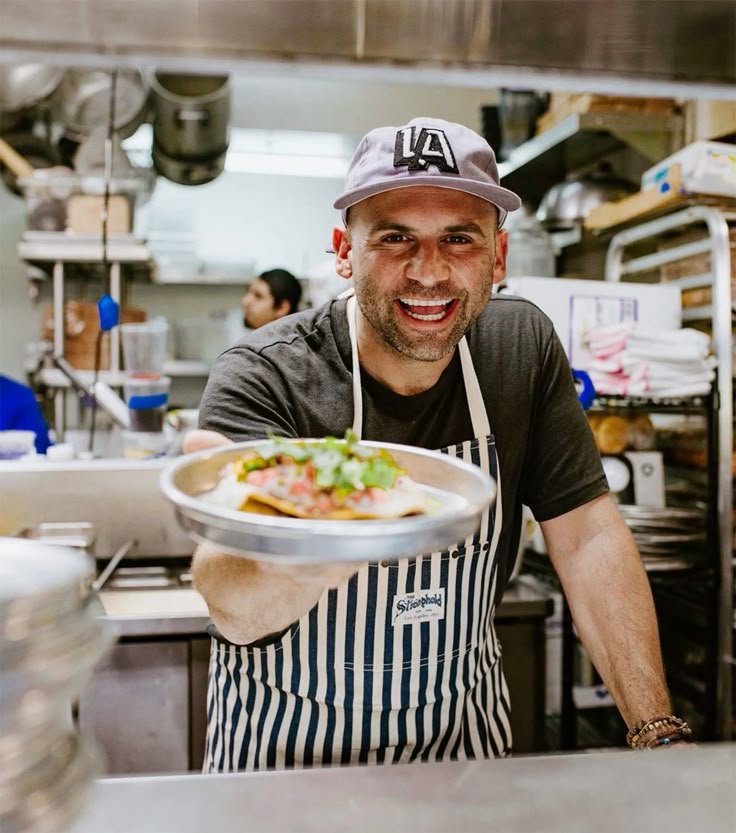
Emotional contagion research shows that people unconsciously mirror the emotional states of those around them. A team member who is genuinely engaged and warm generates a measurable positive response in guests, independent of what they say. You cannot fake this. The tone, micro-expressions, and body language that signal real warmth are processed instinctively.
You Can Nail Every Metric and Still Lose the Guest
Picture this: a busy restaurant, packed on a Saturday night. The host greets you by name because you made a reservation. You are seated exactly on time. Your server appears within 45 seconds, rattles off the specials perfectly, and makes eye contact throughout. The food arrives before you have finished your bread. The check appears at the appropriate moment, unprompted.
Every box checked. Every standard met.
And yet something feels off. The host used your name but was already scanning the next reservation before you were three steps away. Your server was friendly in the way a well-programmed checkout assistant is friendly. Nobody asked a question they actually wanted answered. You felt seen in the same way you feel seen by a well-designed app interface.
You can execute perfect service and still leave a guest feeling like a transaction rather than a person. That guest will not be back.
This is the paradox chains have been navigating for decades. They have built entire systems around delivering consistent service experiences at scale, and they are quite good at it. But no amount of standardization can manufacture genuine warmth. The best they can do is approximate it closely enough that most customers don't consciously register the gap. Plenty of them do register it, though, even if they can't articulate why.
Hospitality Cannot Be Scripted
You can write a checklist for service. Greet within 30 seconds. Upsell the special. Check back after two bites. Present the check without being asked. These are learnable, trainable, trackable behaviors.
You cannot write a checklist for hospitality.
You can describe it. You can set expectations around it. You can hire for it and model it yourself. But the moment hospitality becomes a script, it stops being hospitality and starts being service theater. Guests recognize performed warmth the same way they recognize a forced smile. The body registers the difference even when the brain hasn't caught up yet.
This is why training programs often fail to move the guest experience needle in a meaningful way. You can train table-touching frequency. You can train verbal acknowledgment. You can train your team to use a guest's name at checkout. None of it will feel like hospitality unless the person delivering it genuinely cares about the outcome. The only path to genuine hospitality is hiring people who carry it naturally and then building an environment where it is allowed to show up.
The "How Are You?" Problem
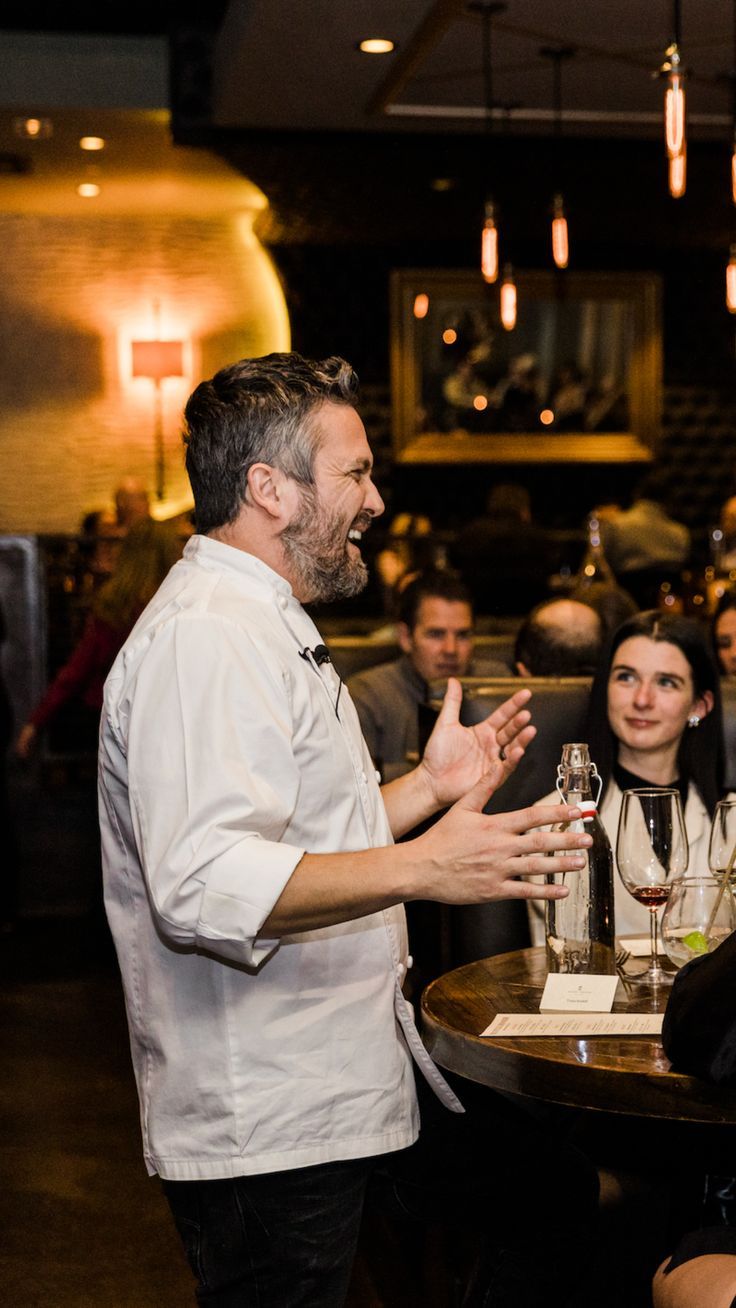
Walk into almost any restaurant in the country, sit down, and wait for the greeting. There is a near-universal script. The server smiles, makes regulation eye contact, and says some version of: "Hi, how are you guys doing tonight? Great. My name is [name] and I will be taking care of you."
It sounds fine. It is also completely hollow.
The server does not want to know how you are doing. They have four other tables and a running side work list. The question is a preamble, not a genuine inquiry. The smile is trained muscle memory. The name introduction is protocol.
None of this is the server's fault. They learned to do it this way in this job and every other food service job they have held. The entire industry runs on this kind of autopilot language, and most operators reinforce it without realizing they are doing so.
The problem is that guests feel it. Not always consciously, but they do. The transactional energy of an interaction where nobody is genuinely present, where everything is said on cue rather than in response to an actual human moment, registers somewhere below awareness. It is why people leave perfectly serviceable restaurants feeling vaguely unsatisfied, and they usually cannot tell you exactly why.
This is service theater. The performance of hospitality without the substance. It is absolutely everywhere, and breaking out of it requires something that cannot be faked: actually noticing and responding to the real human being sitting across from you.
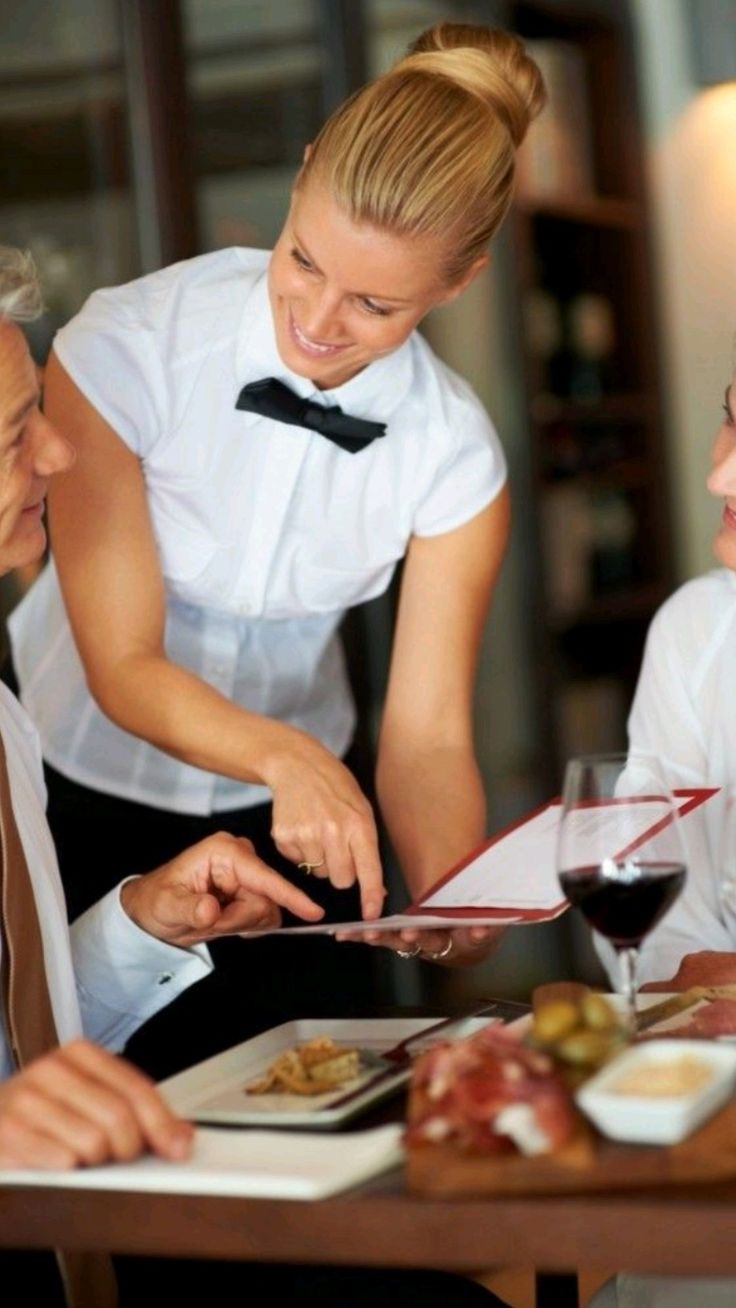
Why This Confusion Is Costing You Real Money
Here is the business case, stripped of all sentiment.
Repeat customers are worth dramatically more than one-time visitors. Research from Bain and Company found that increasing customer retention rates by just 5% increases profits anywhere from 25% to 95%. In the restaurant industry, where margins are thin and acquiring new customers requires real marketing spend, that number is significant.
Now ask yourself: why do customers return to a restaurant? It is almost never because the food came out in 11 minutes instead of 13. It is not because the check was accurate. Guests return because of how the place made them feel. Because there was something warm and genuine in the interaction. Because they left feeling better than when they arrived.
Operators who confuse service metrics for hospitality end up spending enormous energy optimizing the wrong variables. They track table turn times, run timing drills, mystery-shop for greeting compliance. None of it moves the emotional needle. None of it creates the kind of relationship that drives a repeat visit three weeks later.
Your Biggest Competitive Advantage
Here is the thing about being a food truck operator or independent restaurant owner: you have a structural advantage over every chain in your market, and most independent operators do not fully recognize it.
You are not bound by a corporate service manual. You have no required scripts, no regional managers auditing your table touches, no brand standards department telling your team what enthusiasm is supposed to look like. You have actual latitude to be human with your guests.
The chains spend millions of dollars trying to simulate the kind of warmth that you can simply allow. They hire guest experience consultants, develop hospitality training modules, and pilot engagement programs at test locations. And at the end of all of it, the most human thing they can reliably produce is a standardized approximation of warmth. You can produce the real thing, right now, if you recognize it as a competitive advantage and lean into it on purpose.
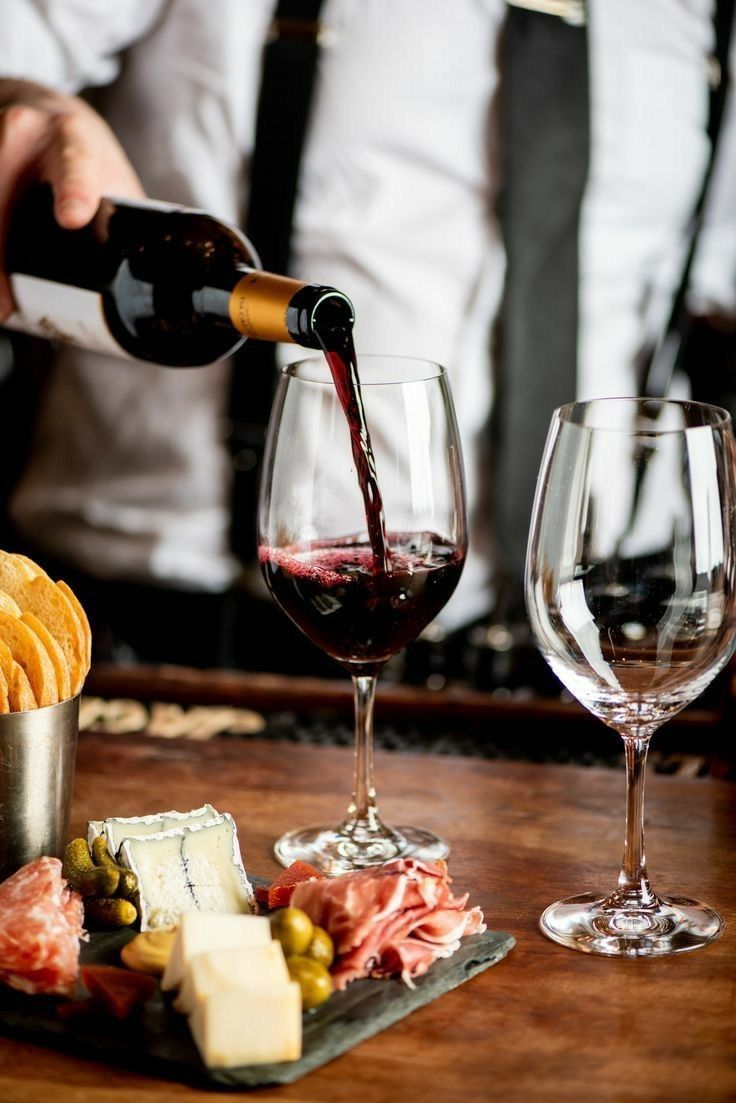
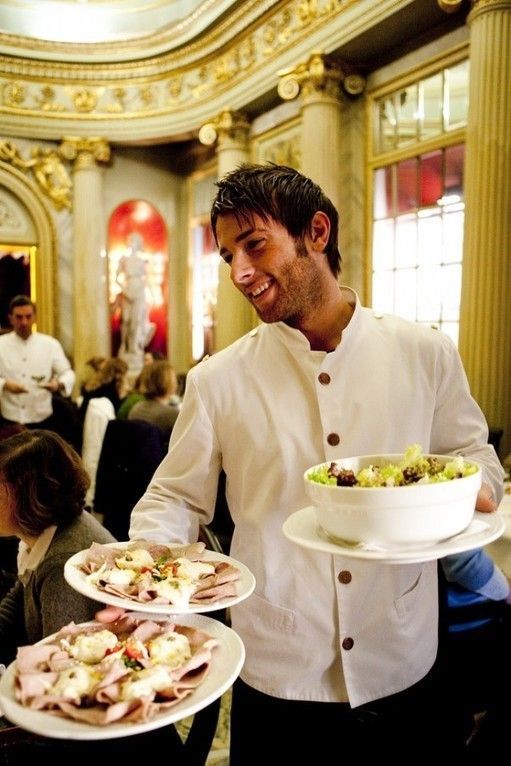
- Remember that your Tuesday morning regular orders the same thing every week and acknowledge it without being asked
- Check in mid-meal not because you timed it but because you are genuinely curious how it is going
- Handle a complaint the way you would want one handled if the roles were reversed, with actual curiosity about making it right
- Notice something real about a guest and respond to it, even briefly, instead of running the script
- Make your team feel like the guest experience outcome actually matters to them because they are treated like it matters
- Hire for warmth and emotional intelligence the way you hire for speed and accuracy
Quick Facts
Hospitality Starts With Your Staff, Not Your Guests
Here is where this becomes concrete and operational.
You cannot build a hospitality culture on top of a team that feels ground down, undervalued, or invisible. Genuine warmth is not an infinitely renewable resource. People who show up feeling disrespected or like a cog in a machine have very little to offer guests beyond the minimum required to keep the shift moving.
Hospitality is inside-out work. The way your team experiences your business is the way your guests will experience your business. That is not a philosophy. It is a practical operational reality.
Gallup research consistently shows that employee engagement is the single strongest predictor of customer satisfaction scores in the service industry. Teams that feel engaged, valued, and trusted deliver measurably better guest experiences, independent of training. Culture is not a soft concept. It shows up directly in your reviews and your retention numbers.
This means the practical work of building genuine hospitality is actually the work of building a team culture where people feel seen and respected, not in a forced-fun, mandatory-team-meeting way, but in the concrete ways that actually matter at work. Clear communication. Fair treatment. Honest feedback. Recognition when things go well. Agency over how people do their jobs.
When your team genuinely feels good about where they work, it shows in the dining room. Not because you told them to act a certain way, but because real positive energy is contagious. Guests feel it from the moment they walk in the door.
The Fix Is Cultural, Not Procedural
If you recognize your operation in some of what has been described here, the instinct is usually to reach for a training program. New hospitality standards. A team meeting about guest experience. A revised service sequence. Maybe a checklist with more items on it.
Resist that instinct. Checklists create service. They cannot create hospitality. What actually shifts the culture is modeling it yourself, in how you treat your team and your guests, every single day.
The restaurants that get this right are not running hospitality programs. They are building cultures where genuine care for other people is the default setting. That shows in every interaction, from the moment a guest walks in to the moment they leave. It is what makes someone tell their friends, come back next week, and leave a review that reads like a letter to a person rather than a rating for a transaction.
That is available to every independent operator right now. It costs nothing except attention and intention. And it is the one competitive edge that no chain, no delivery platform, and no algorithm can take away from you.
Build real guest relationships, not just order pipelines.
Outbites gives independent restaurants the tools to own their customer relationships directly, without the middlemen taking a cut of every connection you build.
Start FreeNo monthly fees. $1 per order. Cancel anytime.
Keep Reading
Hot, Cramped, and Slammed: How Smart Workflow Design Saves Your Crew
Your food truck layout, not your crew, is causing the chaos. Layout beats hustle every time.
Read more5 Signs It's Time to Add a Second Truck
Turning down events? Long lines? Five clear signs you're ready to scale with a second food truck.
Read more